Aegina
According to ancient Greek mythology, Aegina owes its name to the nymph Aegina, daughter of the river Asopus, whom Zeus seduced and took to the island, which was called Oenoni until then. There Aegina gave birth to Aeacus, the first king of the island and grandfather of the famous Homeric hero Achilles, the most famous hero of the Trojan War. Aeacus renamed the island Aegina, in honor of his mother.
Aegina is located in the center of the Saronic Gulf, about 1 hour by conventional ferry from Athens and 40 minutes by dolphin.
With a coastline of about 57 kilometers (57 miles) and an area of 8,300 acres, Aegina is a fertile and green island, full of peanut, pine and olive trees.
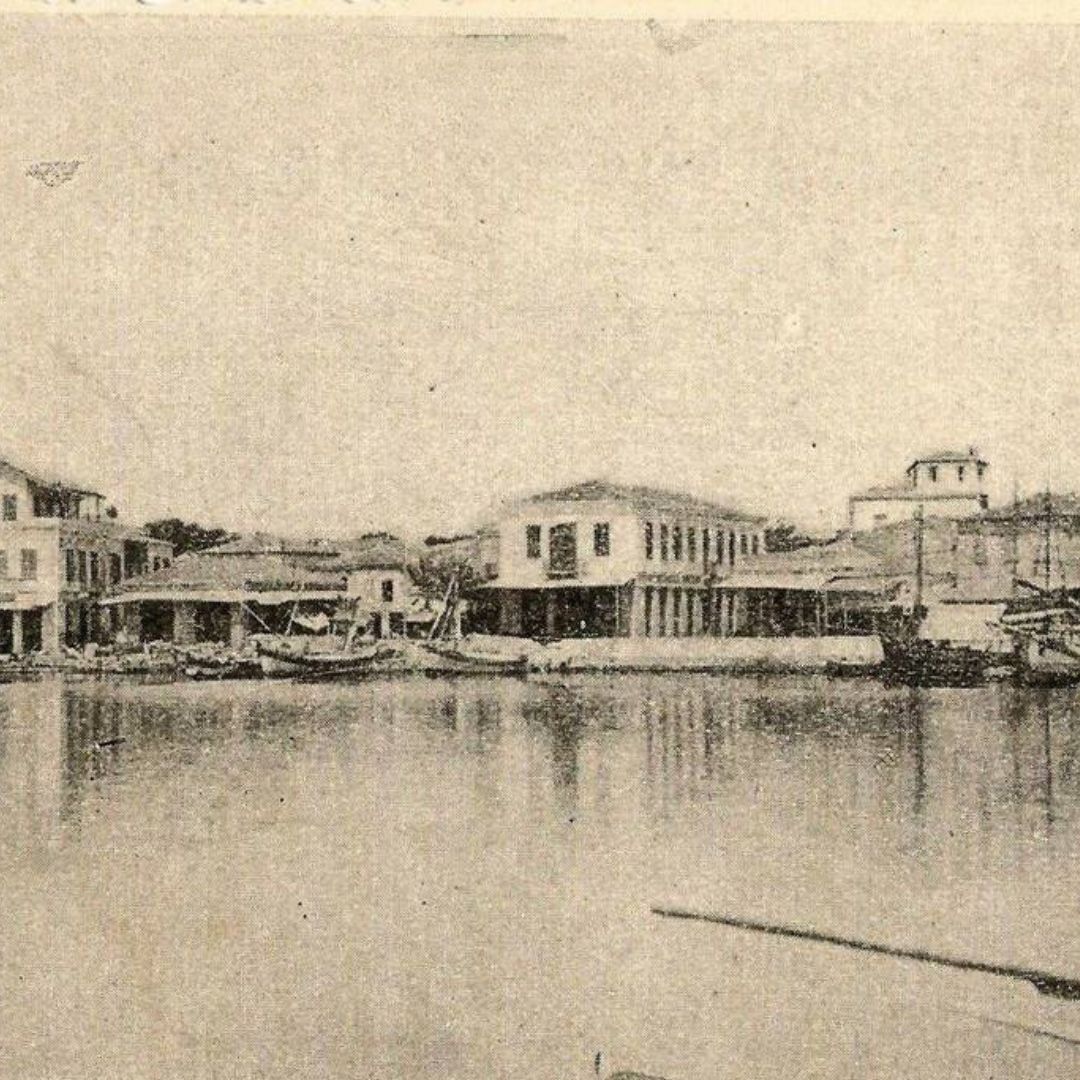
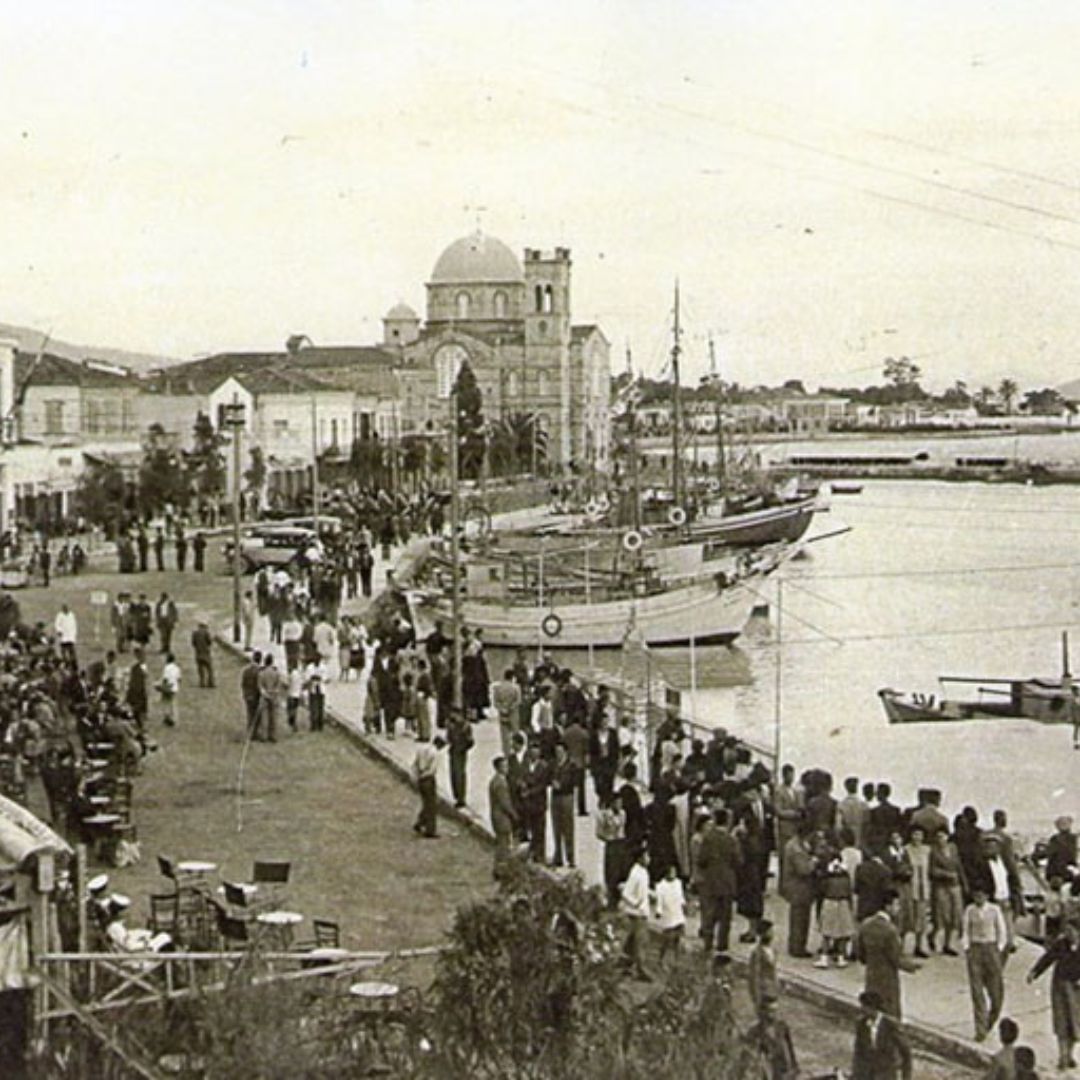
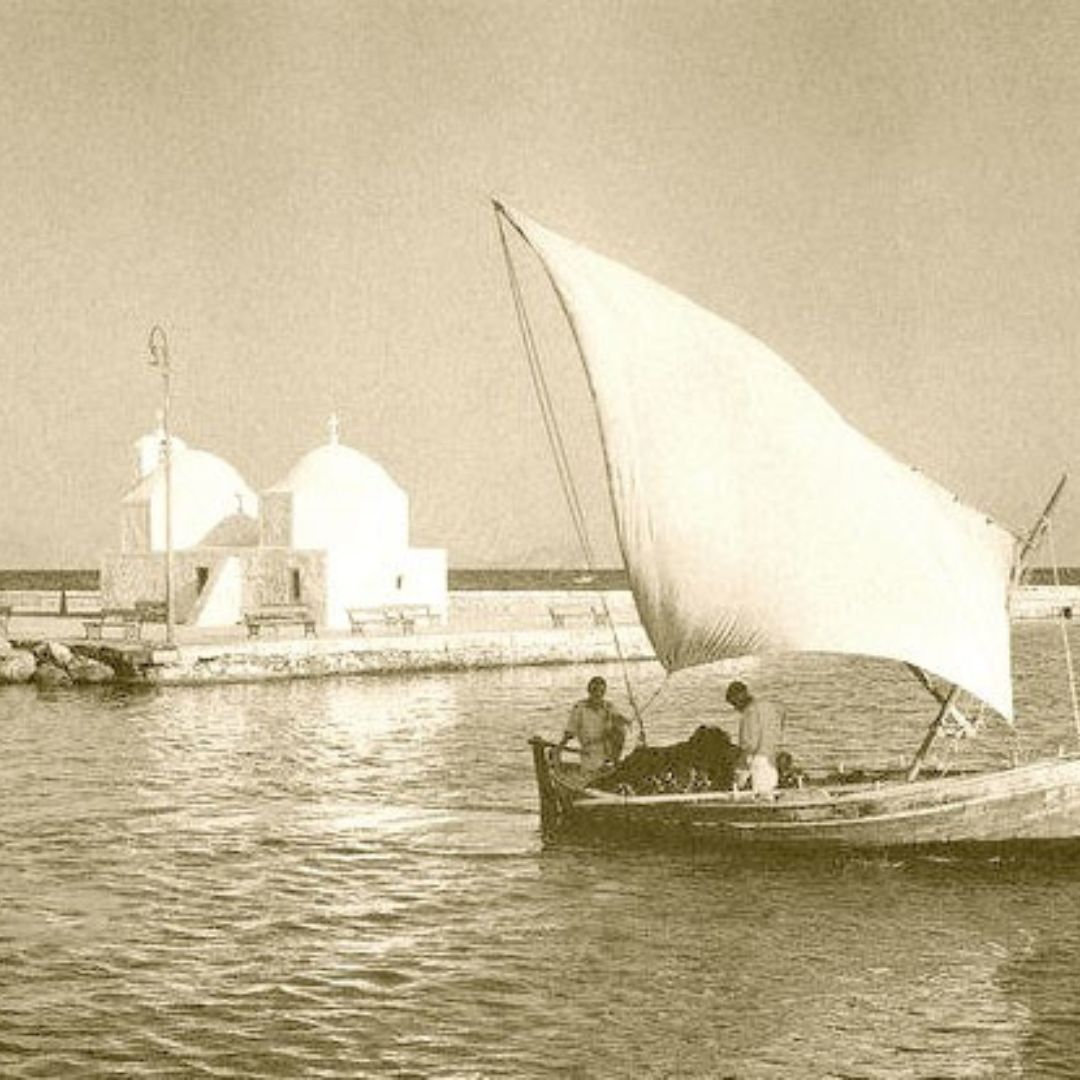
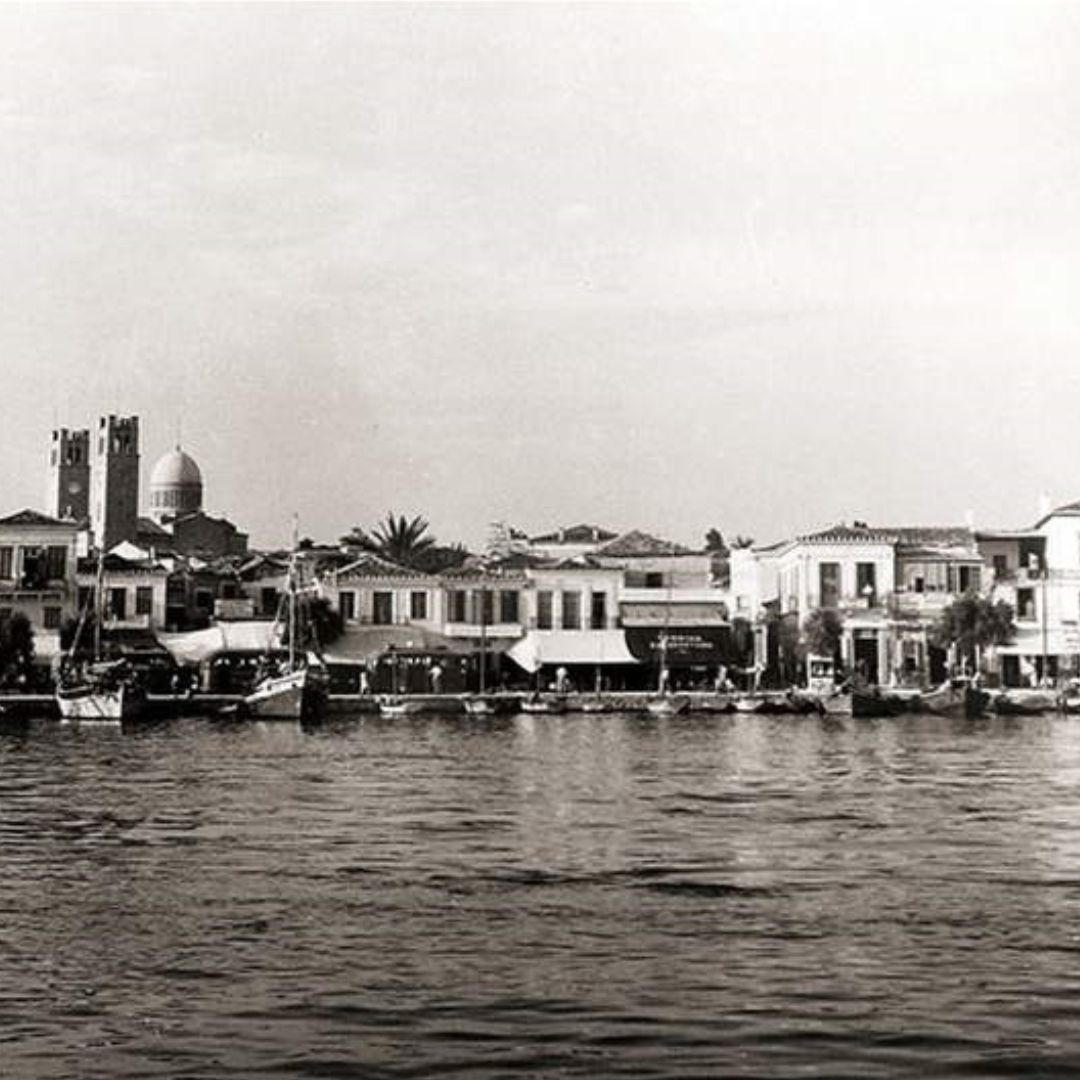
History
Aegina has a constant presence throughout Greek history. The island has been inhabited since 3500 BC and has monuments from all historical periods, making it a potential centre for the study of Greek culture in general.
Aegina reached the height of its glory during the Archaic period (734-459 BC), when it became a naval and commercial power, accumulating wealth from transit trade with ports throughout the Mediterranean. It was no surprise that the Aeginese became the first in all of Europe to mint their own state currency, the Turtle (tortoise).
After the fall of the Hellenistic world, the island passed into the hands of many foreign invaders. Nevertheless, the people of Aegina managed to survive many disasters, and to preserve their own dialect, customs and traditions. The reward came when Aegina was declared the first government of the free Greek nation, after being liberated from the Ottomans in 1827.
It’s not just another island
Aegina has become a magnet for travellers seeking adventure and discovery through history. Even today it continues to impress.
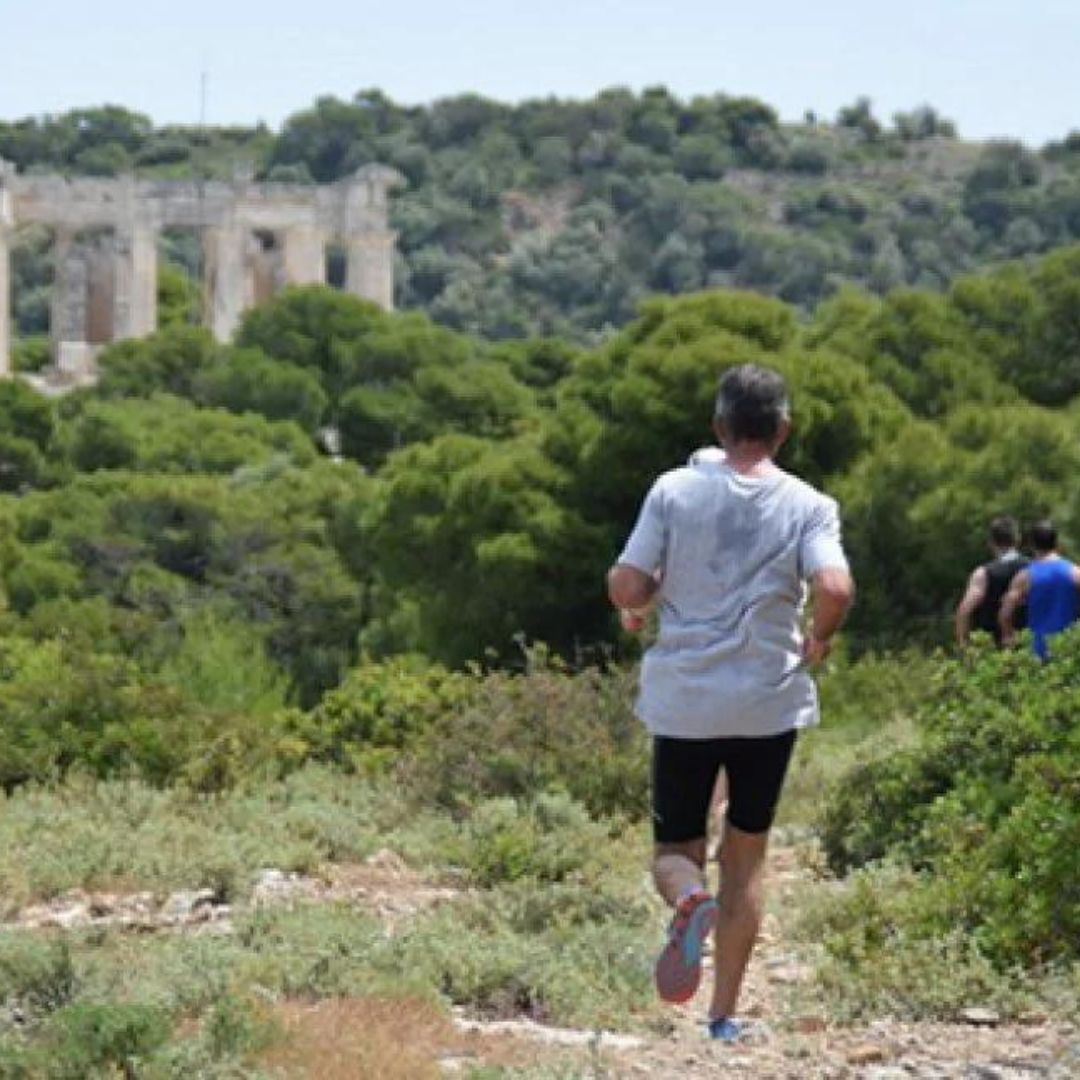
For those interested in history and culture, Aegina is the ideal destination. You will find its signs everywhere: in the archaeological sites, in the temple of Aphaia, which is a 30-minute walk from our hotel, in the picturesque villages of the mainland, as you wander around the medieval town of Paleochora, visit the historic monasteries or gaze at the imposing mansions of the period of Kapodistrias (the first governor of Greece).
Due to its many beaches and wild natural environment, the island is recommended to people who enjoy activities such as water sports, hiking, mountain climbing, etc.
Archaeological Sites
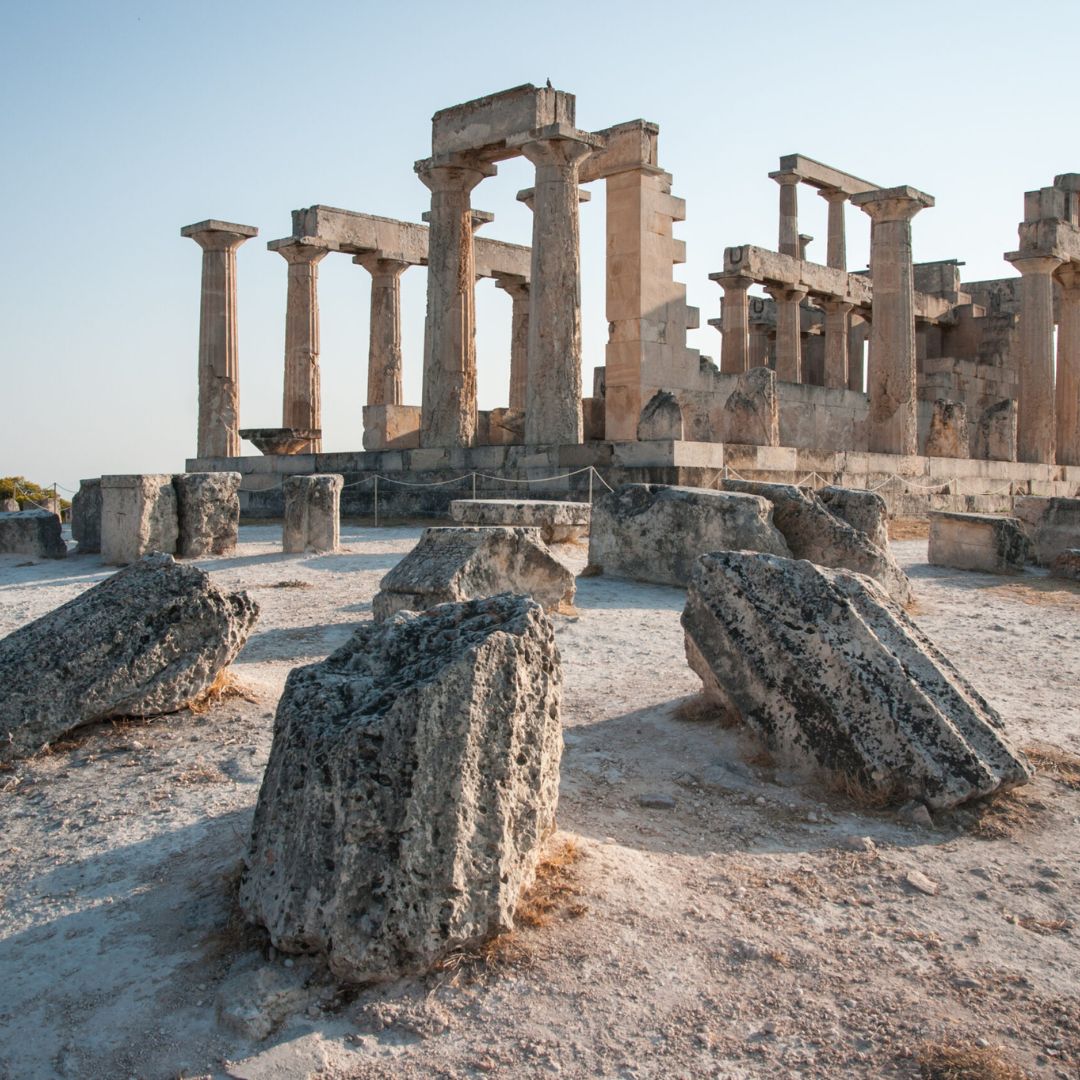
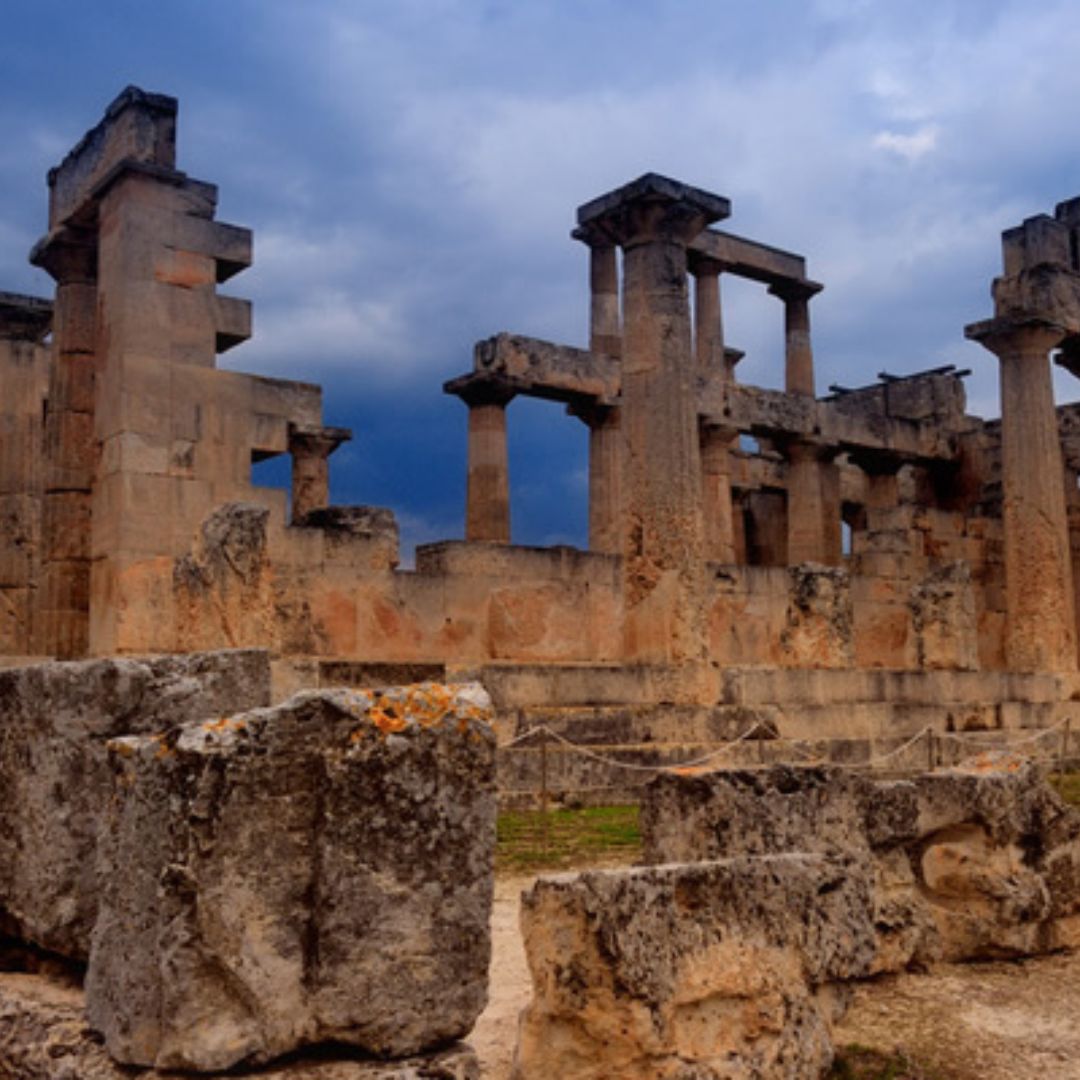
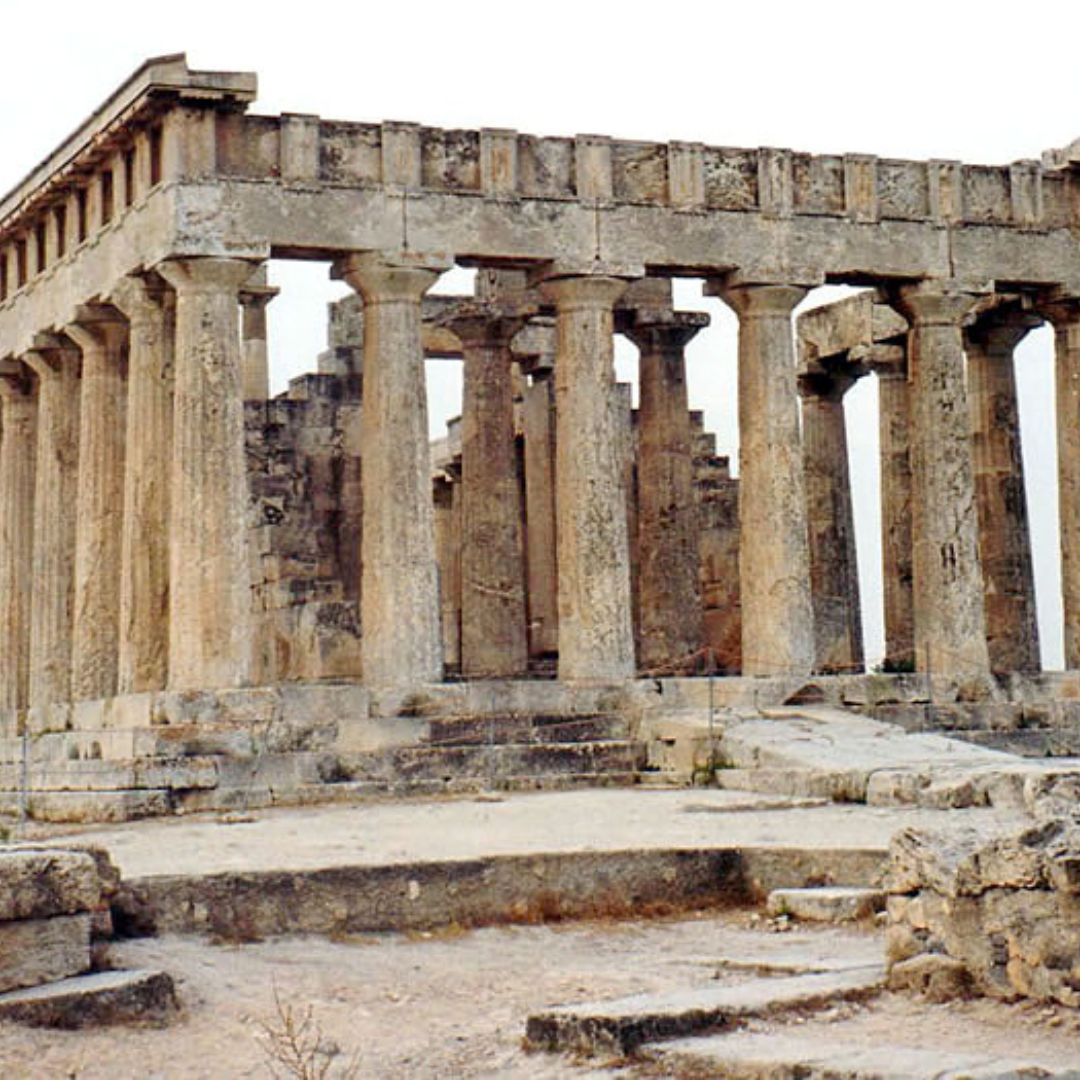
Temple of Aphaia
Just 3 km from the Hotel “Vagia” is the ancient Temple of Aphaia. The Temple was built by the inhabitants of Aegina to honour the Minoan Goddess Aphaia, daughter of Zeus and Carmi.
Another version of the legend claims that the daughter’s name was Virtomarti and she ran away from Crete to Aegina to hide from King Minos of Crete, who was very much in love with her.
The temple and its surroundings took their final form around 490 B.C. It is built in Doric style and its pediment is in Parian marble and represents the campaign in Troy, during which Ajax and Achilles played a very important role in the victory of Greece.
The Goddess Athena is also present in them, hence the name of the temple is Aphaia Athena. The place provides a wonderful view of the Saronic Gulf and you seem to be able to touch the city of Piraeus. You can see the Temple of Poseidon at Sounion and the Acropolis when the atmosphere is clear enough.
Paleochora
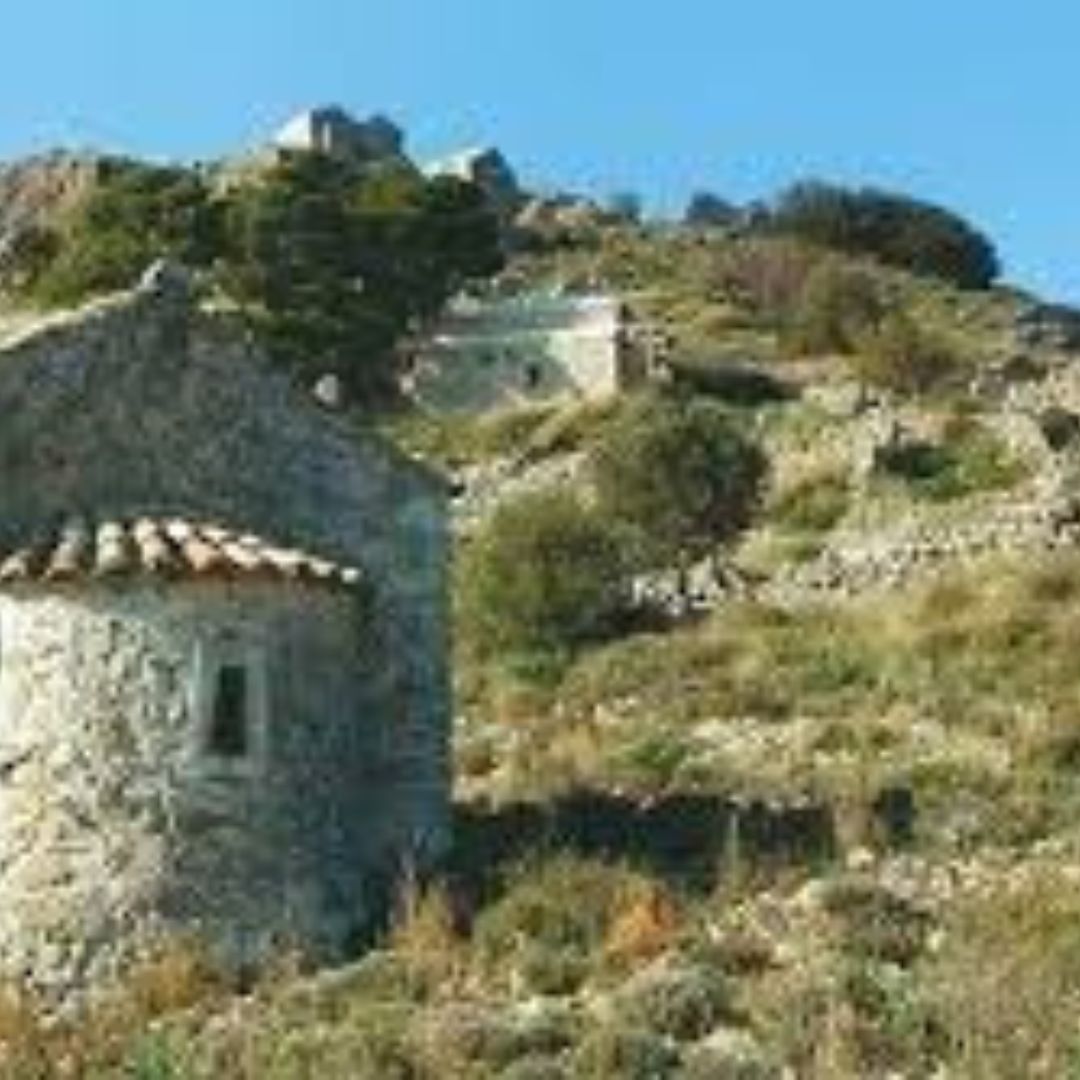
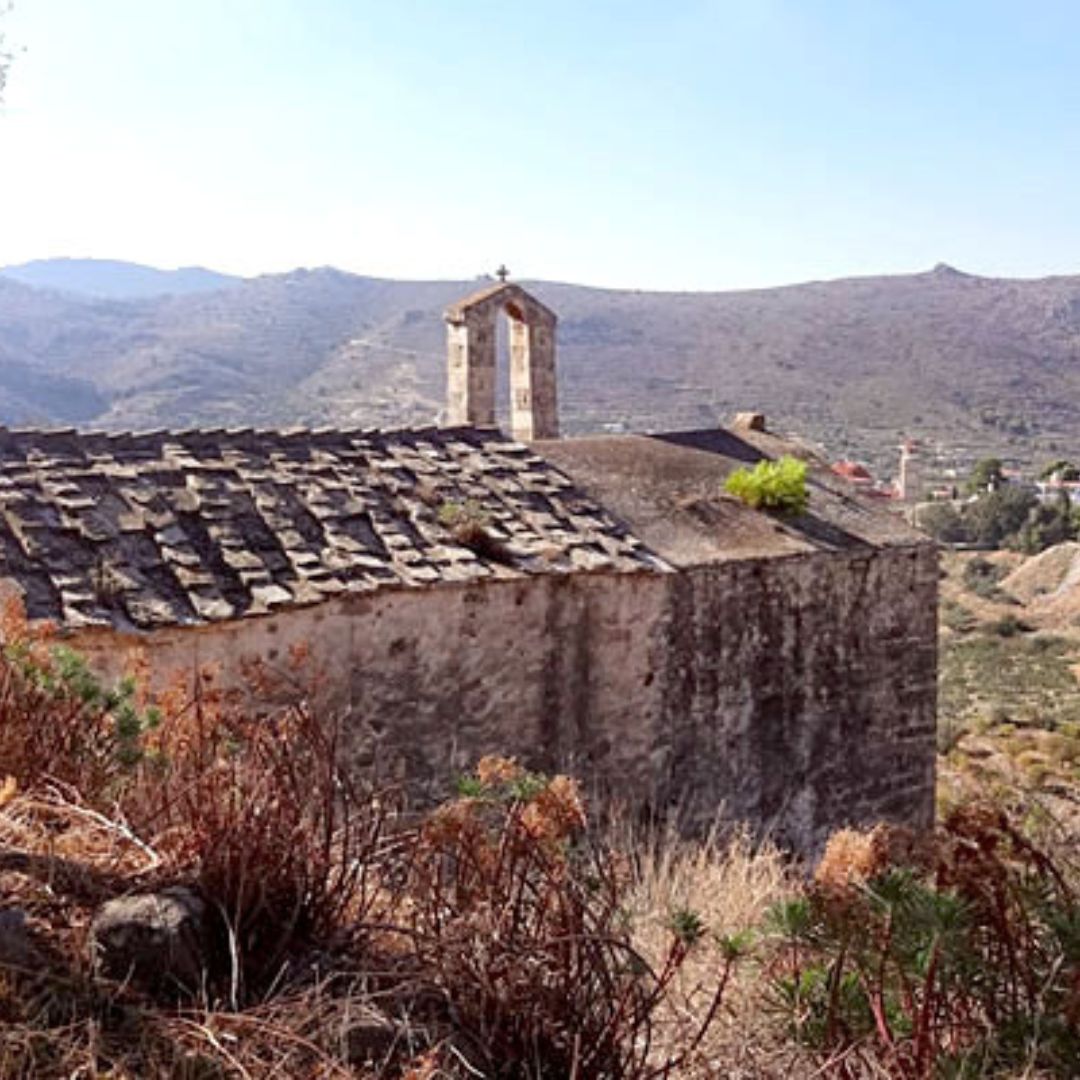
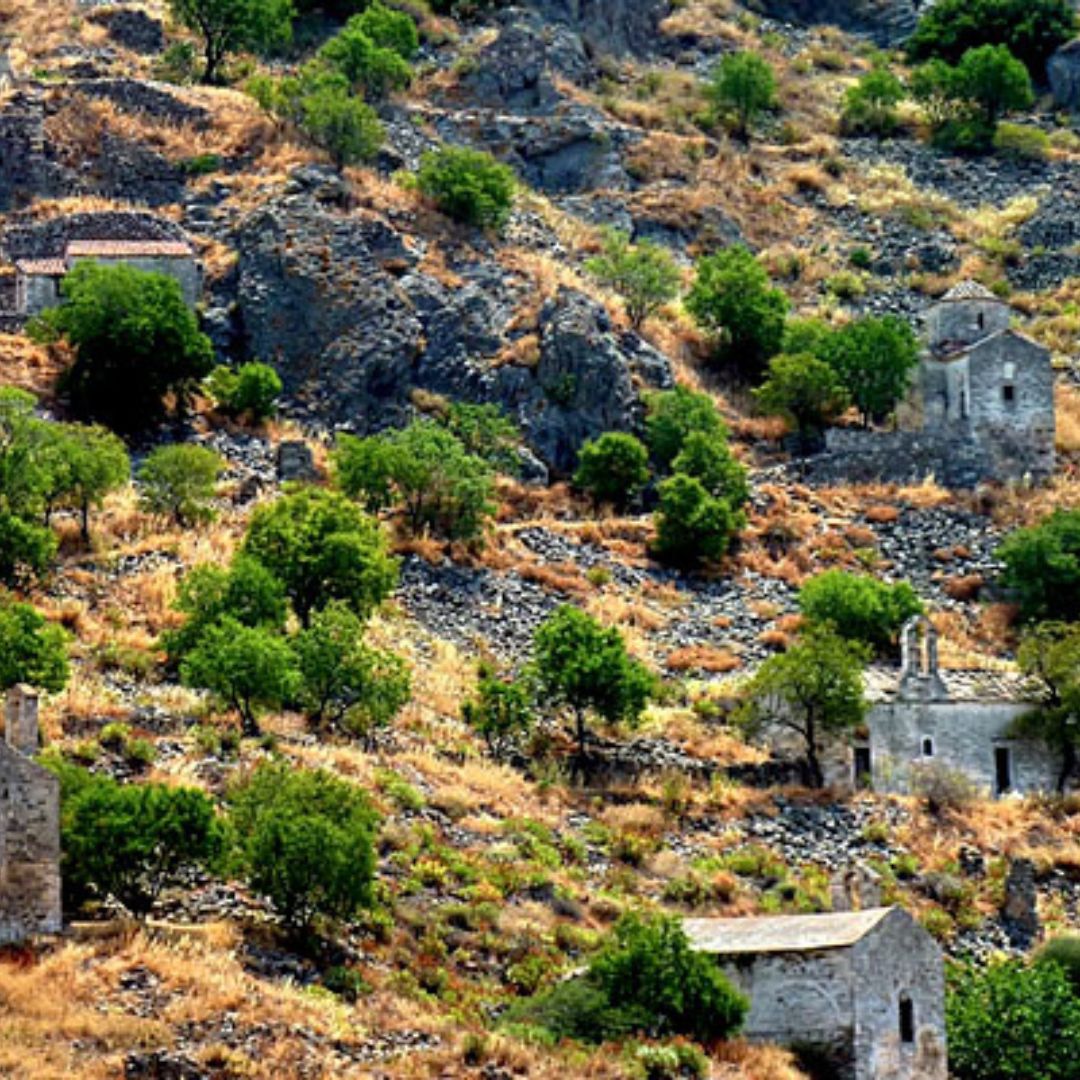
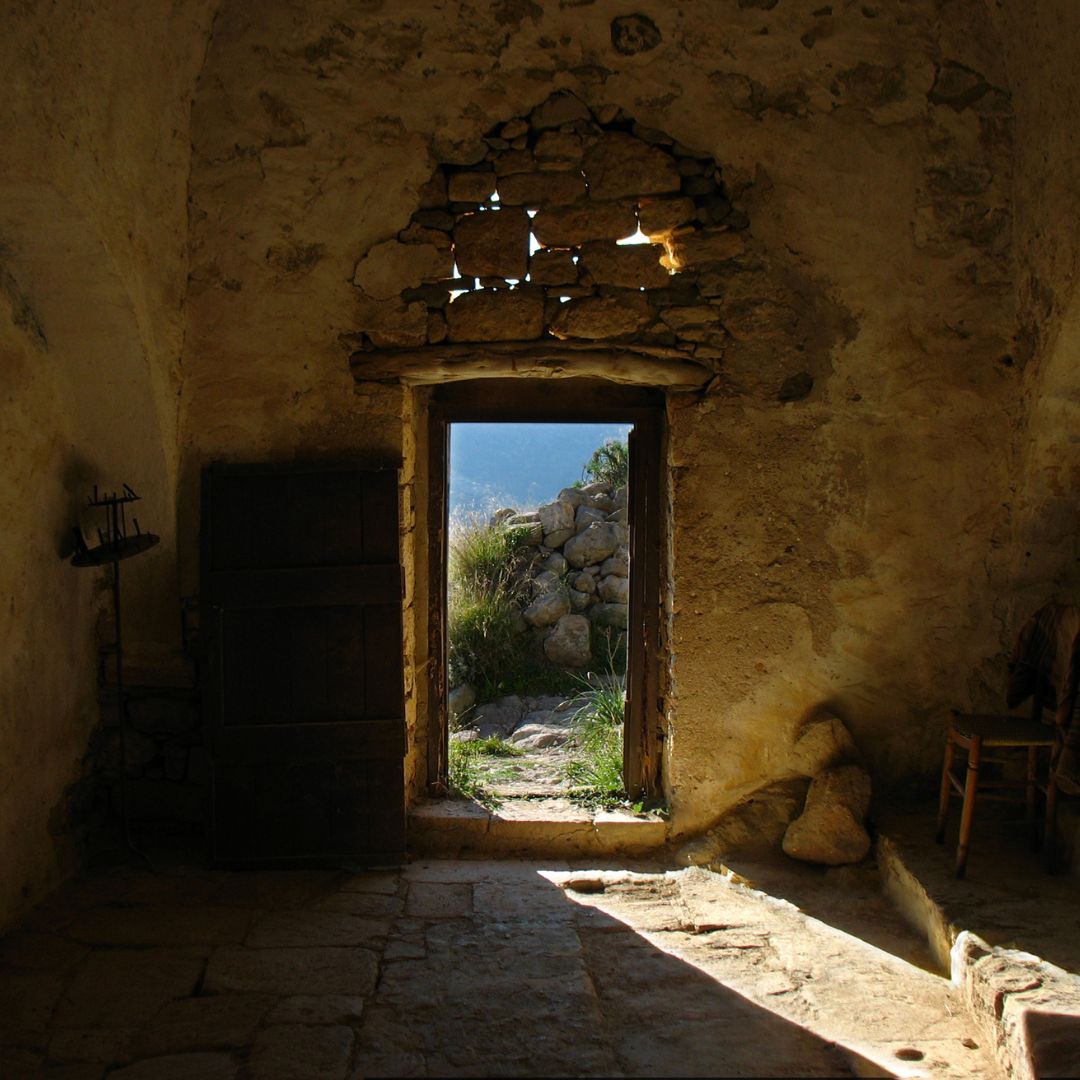
At a distance of 6 km from the Hotel “Vagia” you will find the medieval town of Paleochora. It began to be built in 896 with the help of the Saracen pirates on the coast of the town of Aegina. Centuries later it became the capital of the island, only to be abandoned at the beginning of the 19th century, when the inhabitants slowly began to return to the sea to rebuild the new Aegina. A few grey and yellow buildings can be seen scattered around the hill. These are about 35 of the many churches that existed in Paleochora (tradition says there were 365), which remain standing. About 20 of them still have some fine frescoes that have survived.
Monastery of Saint Nektarios
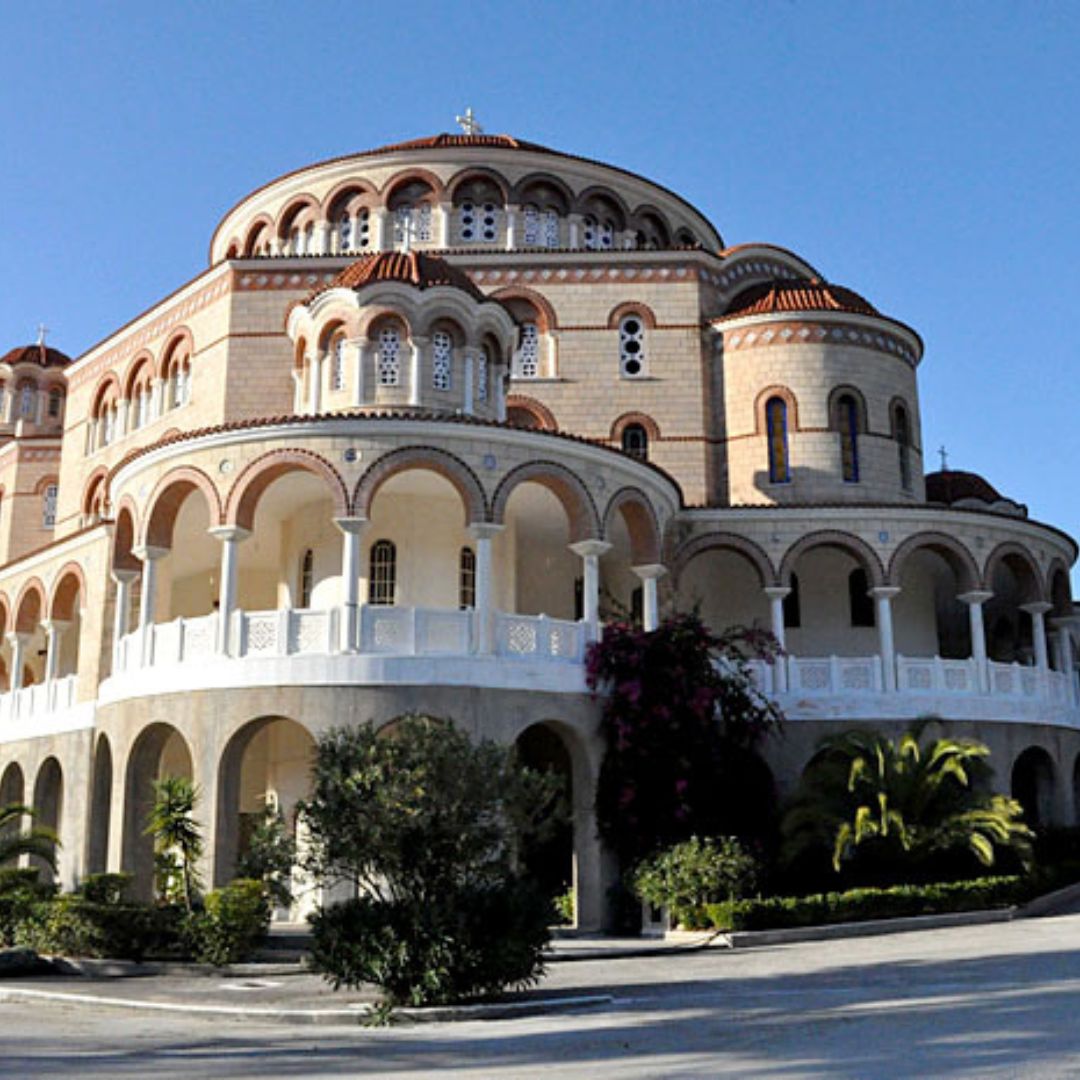
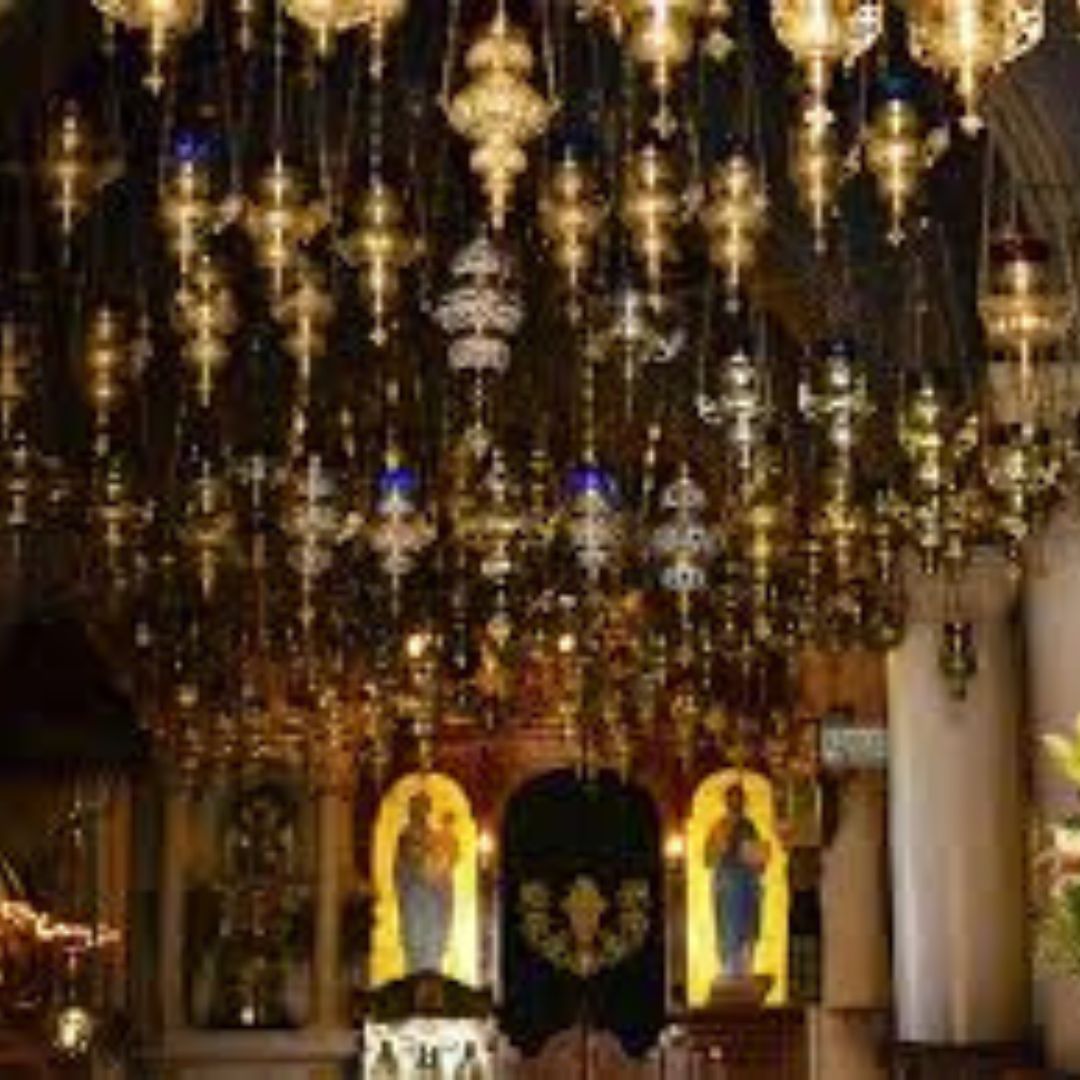
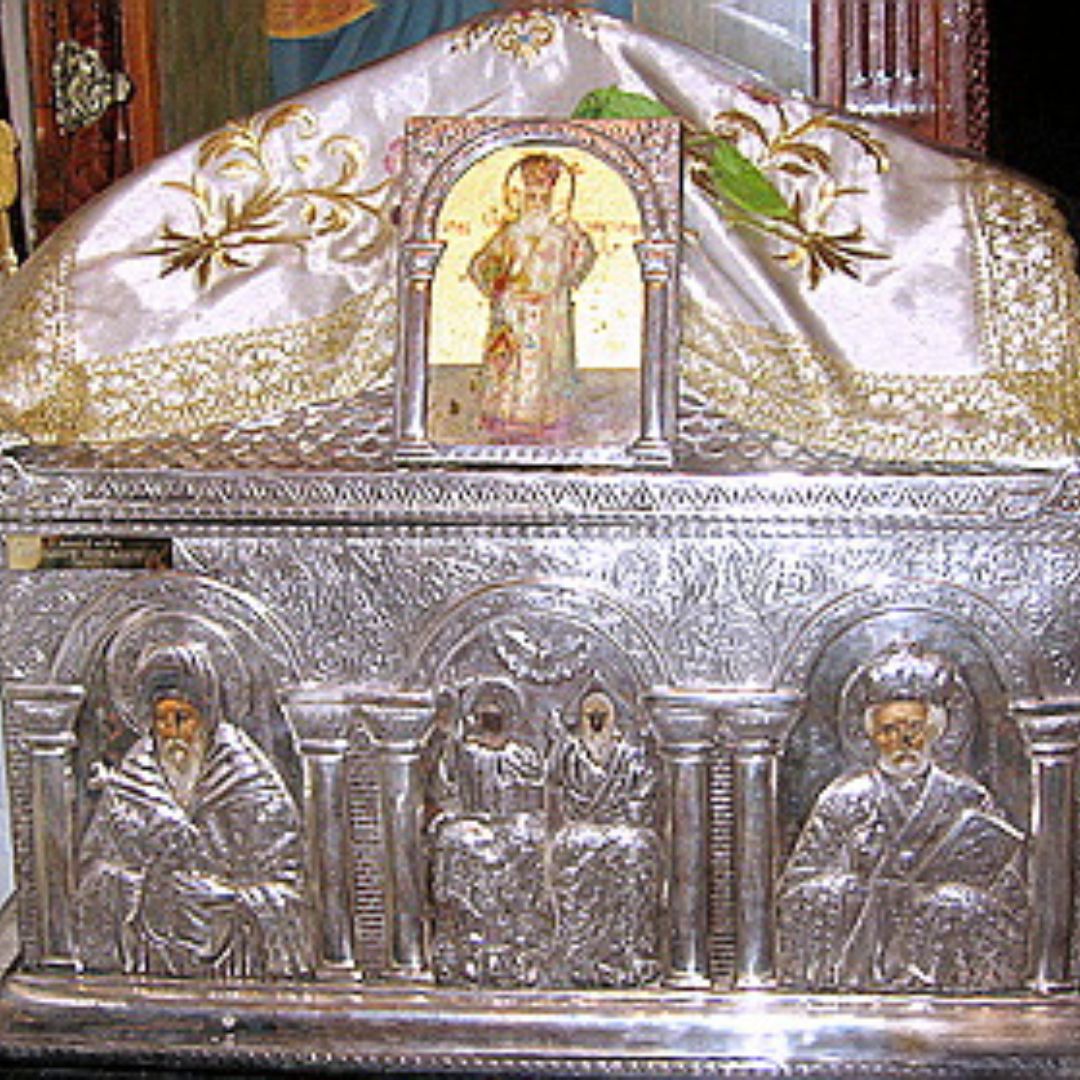
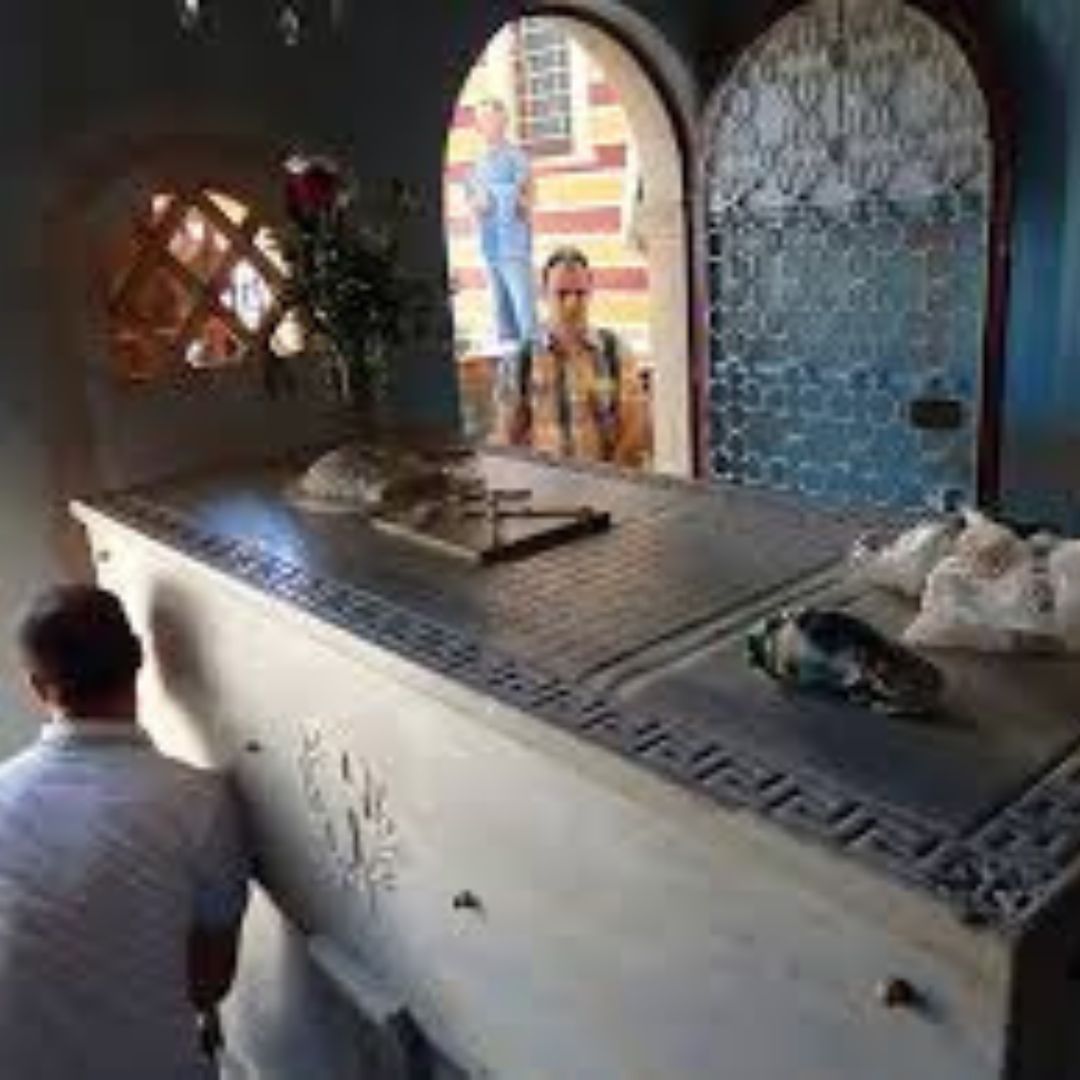
The monastery of Agios Nektarios is located opposite the medieval town of Paleochora. This monastery was built at the beginning of the 20th century next to a small Byzantine monastery dedicated to the Life-Giving Source (Pigi) by the Bishop of Pentapolis, Nektarios. Saint Nektarios spent the last years of his life in the monastery, doing a great deal of charitable work and earning the admiration and adoration of the faithful, who rushed to the monastery to help him. Many still speak of his generosity and his ability to heal people suffering from incurable illnesses. Saint Nektarios died in 1920 and was buried in the monastery. He was canonized in 1961. A new church was built under the Monastery of St. Nektarios, whose architecture is influenced by that of St. Sophia in Constantinople.
Colona
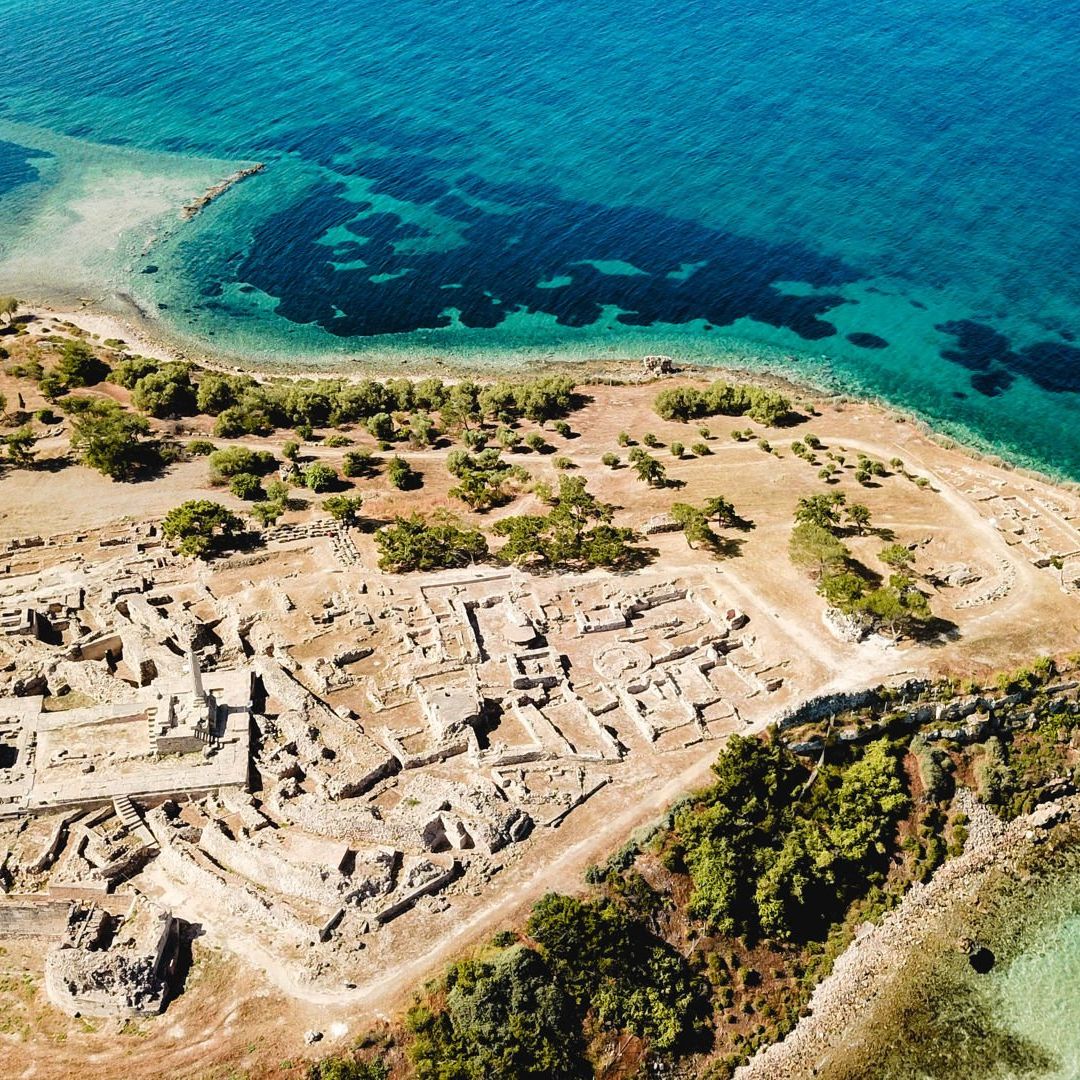
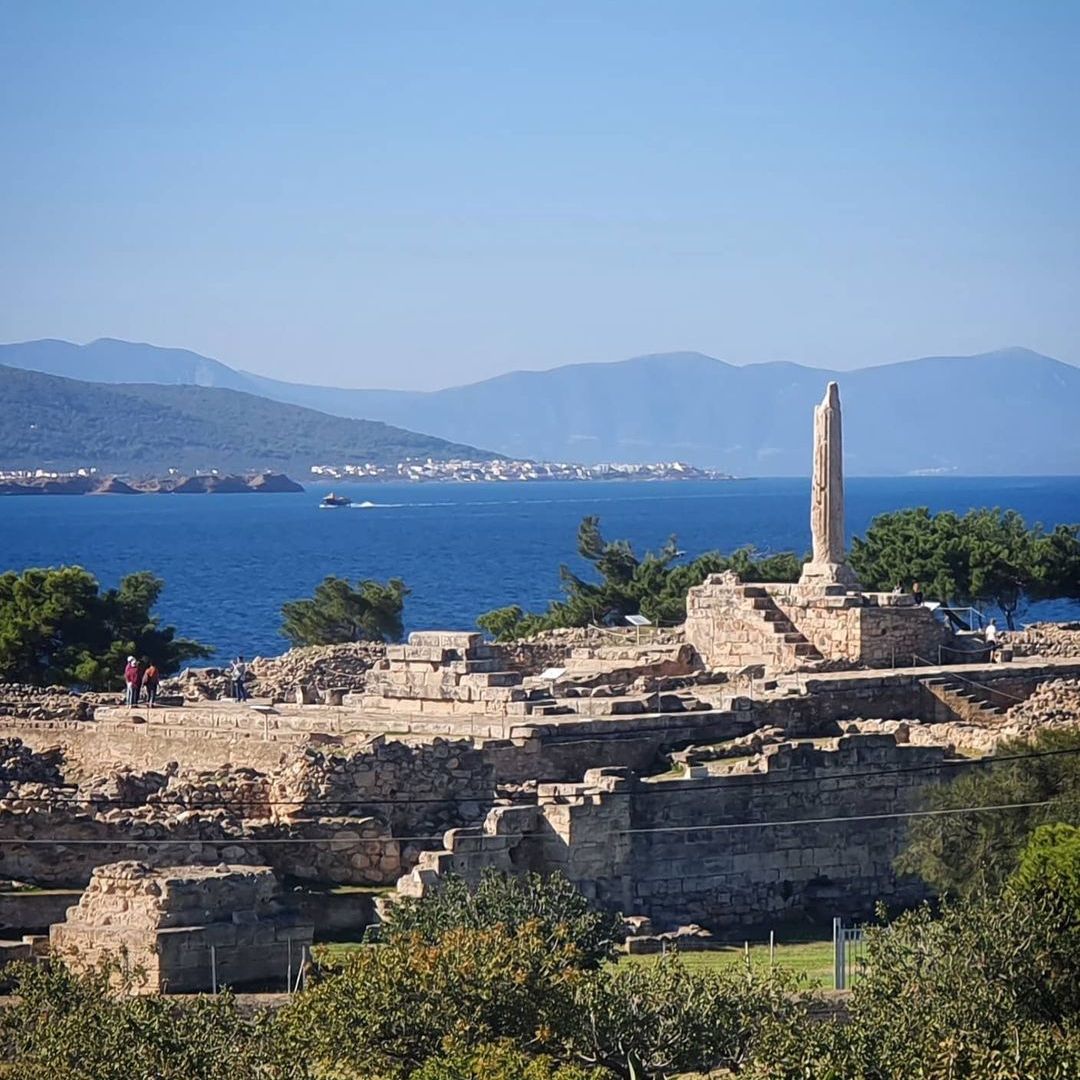
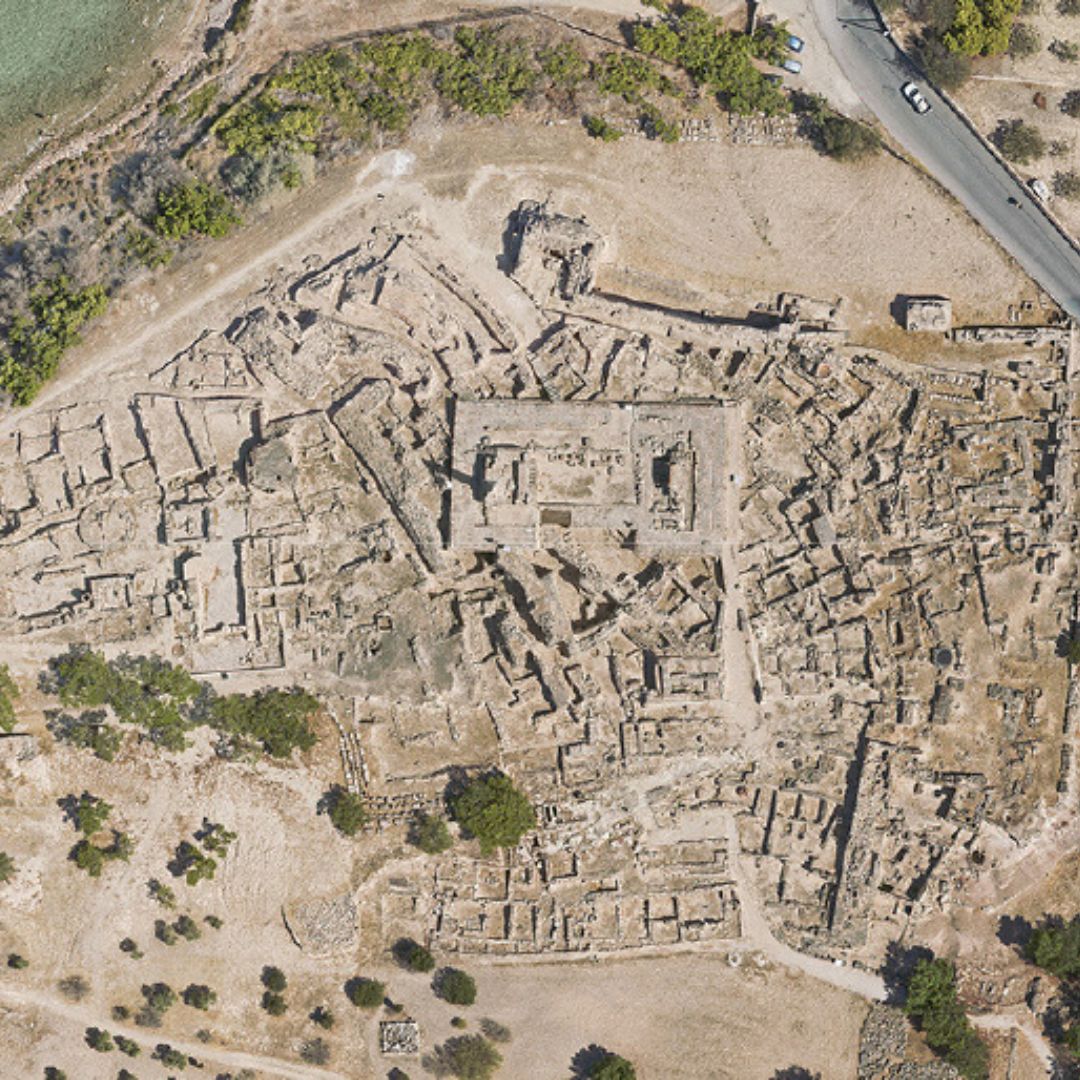
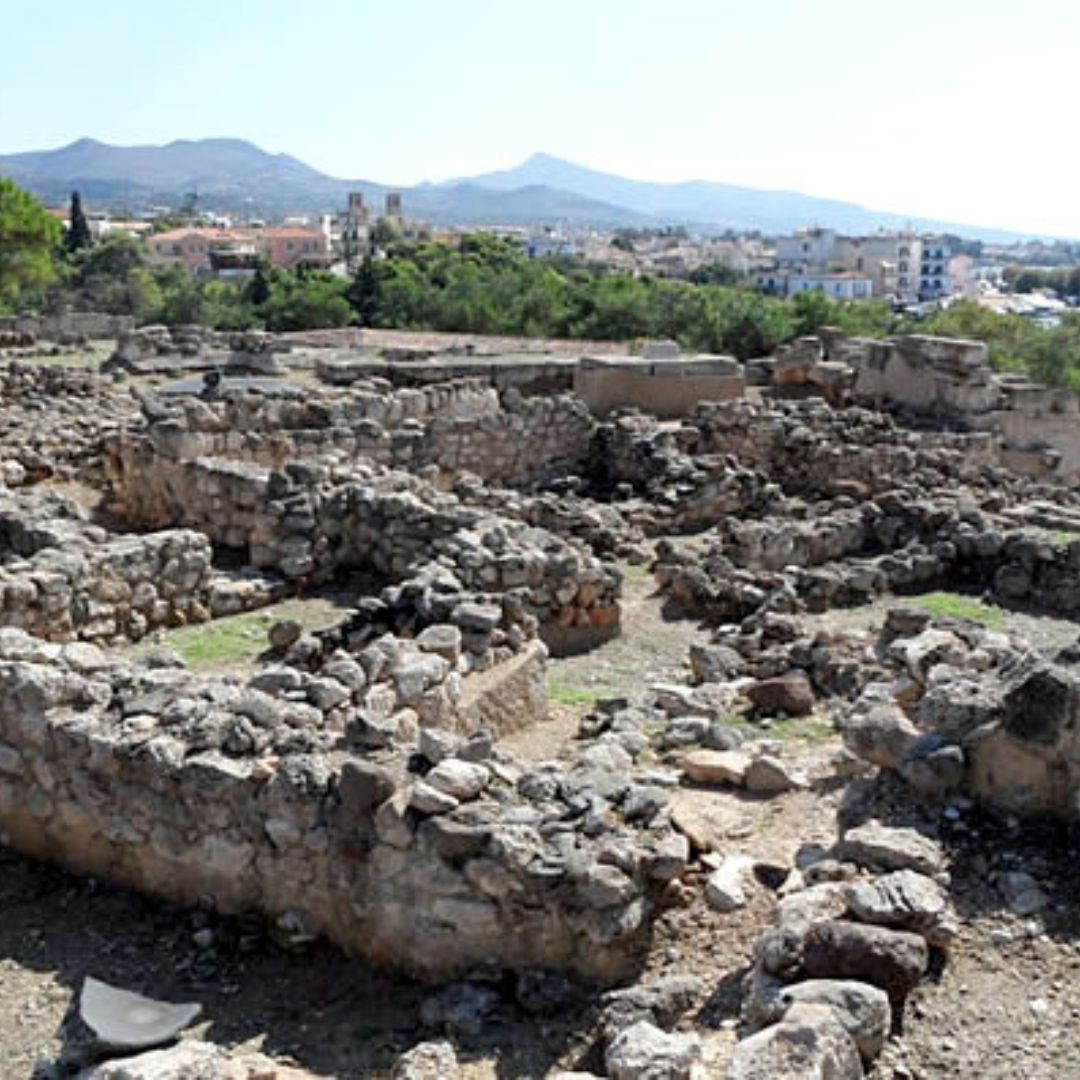
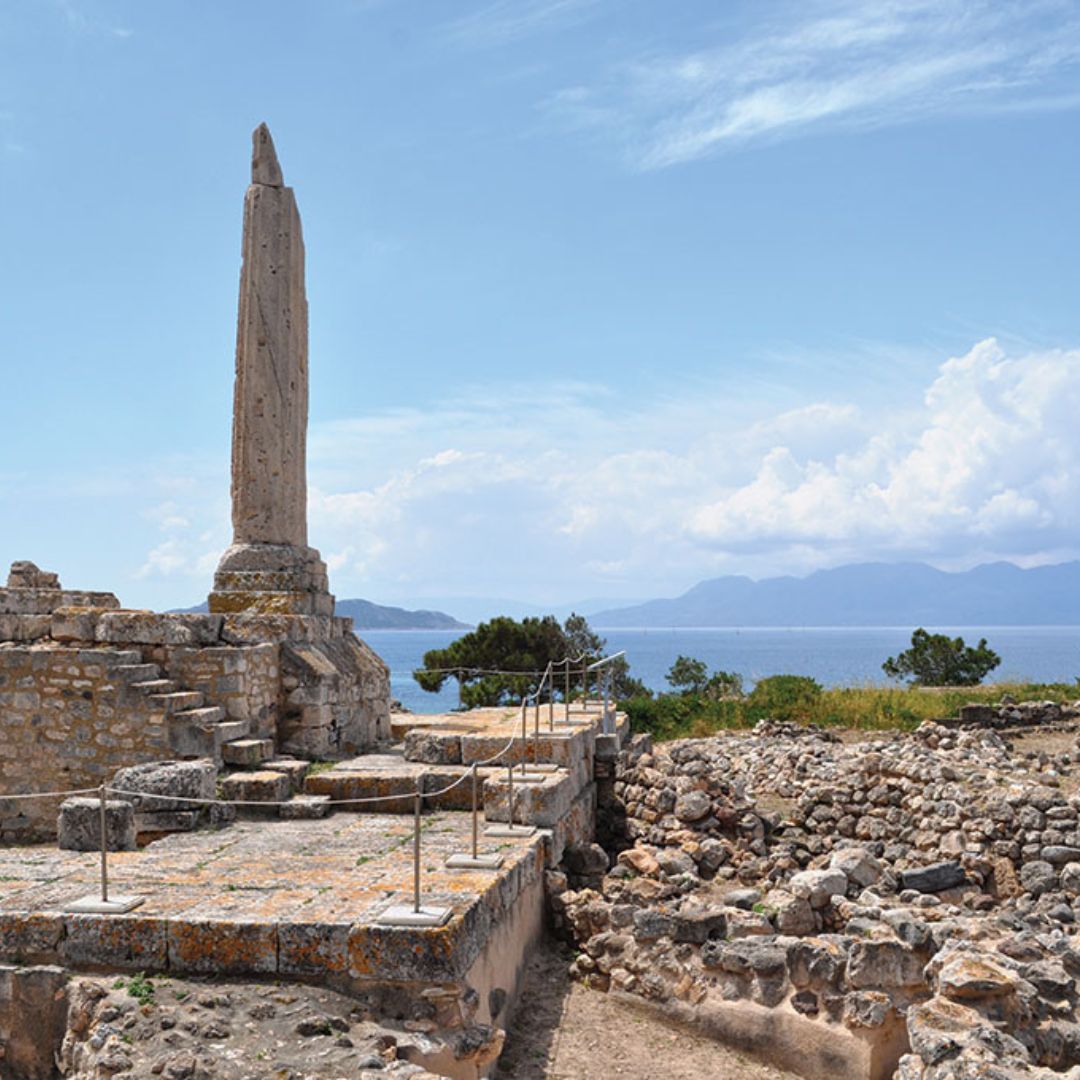
At a distance of 14km from Hotel “Vagia” on the left side of the port of Aegina, the acropolis of ancient Aegina was built. The name Kolona (pillar) comes from this last pillar, which is still preserved in the area today. The site was first inhabited around 3500 BC, during the Bronze Age, and is protected by a wall. Today only the northern wall and some ruins remain.
Hiking
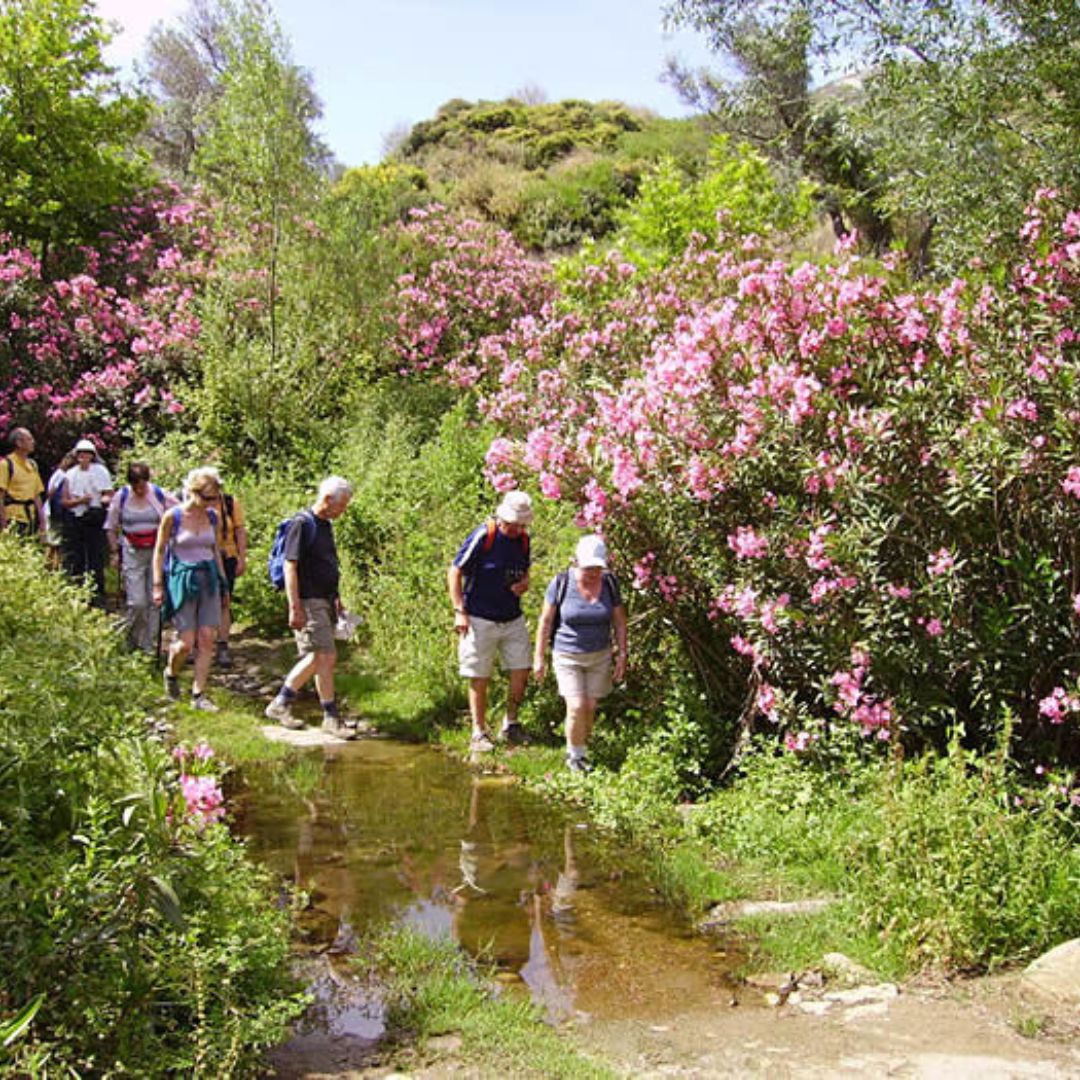
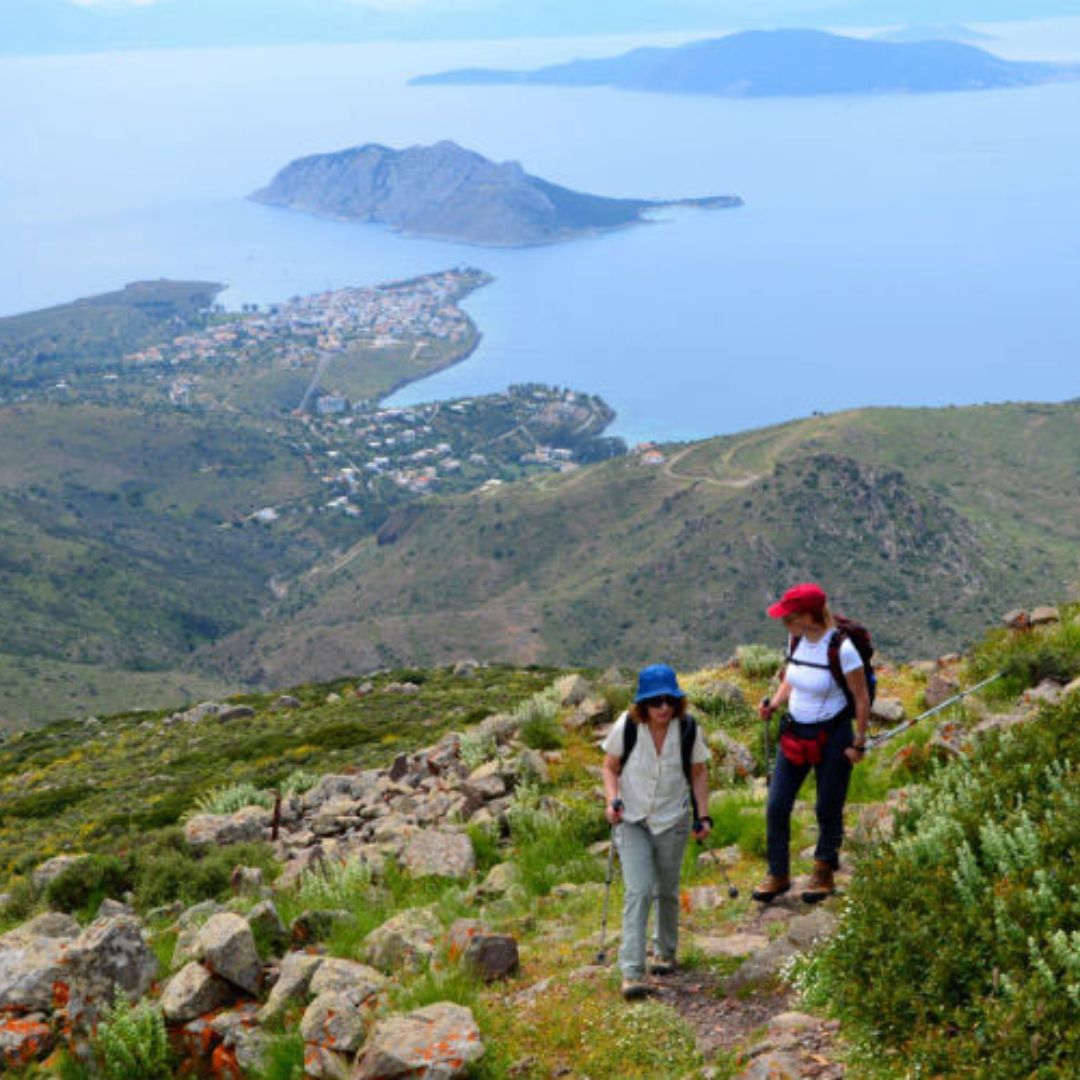
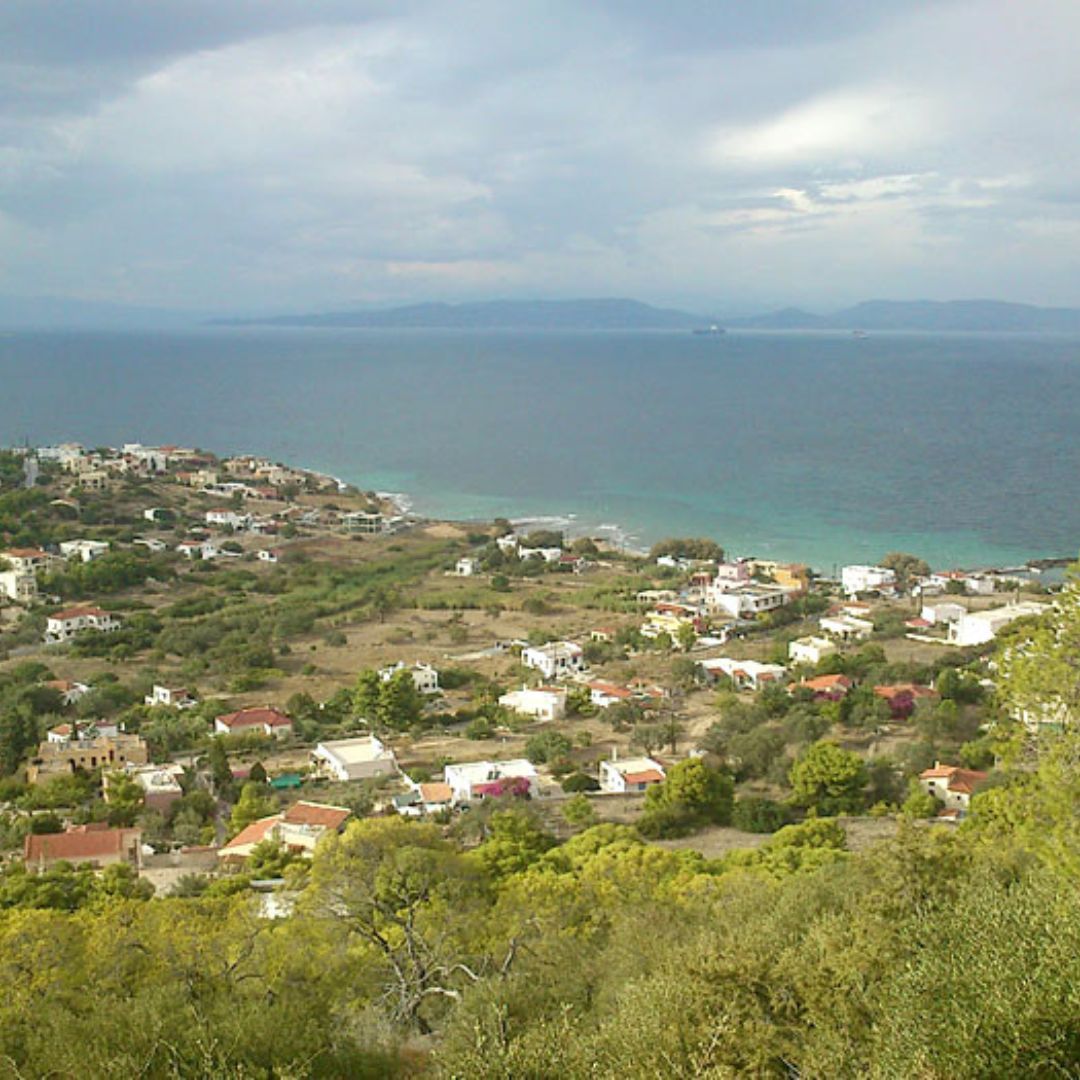
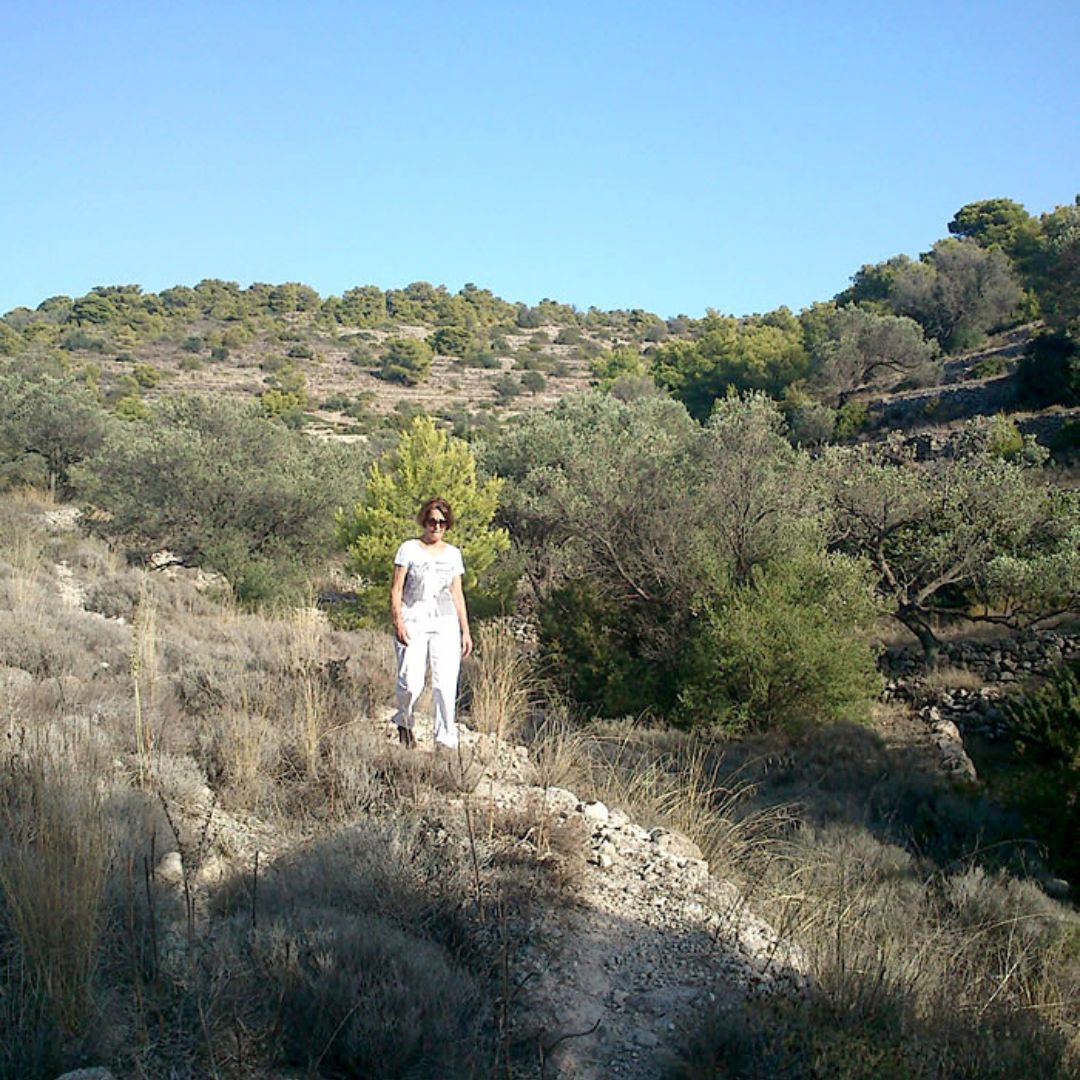
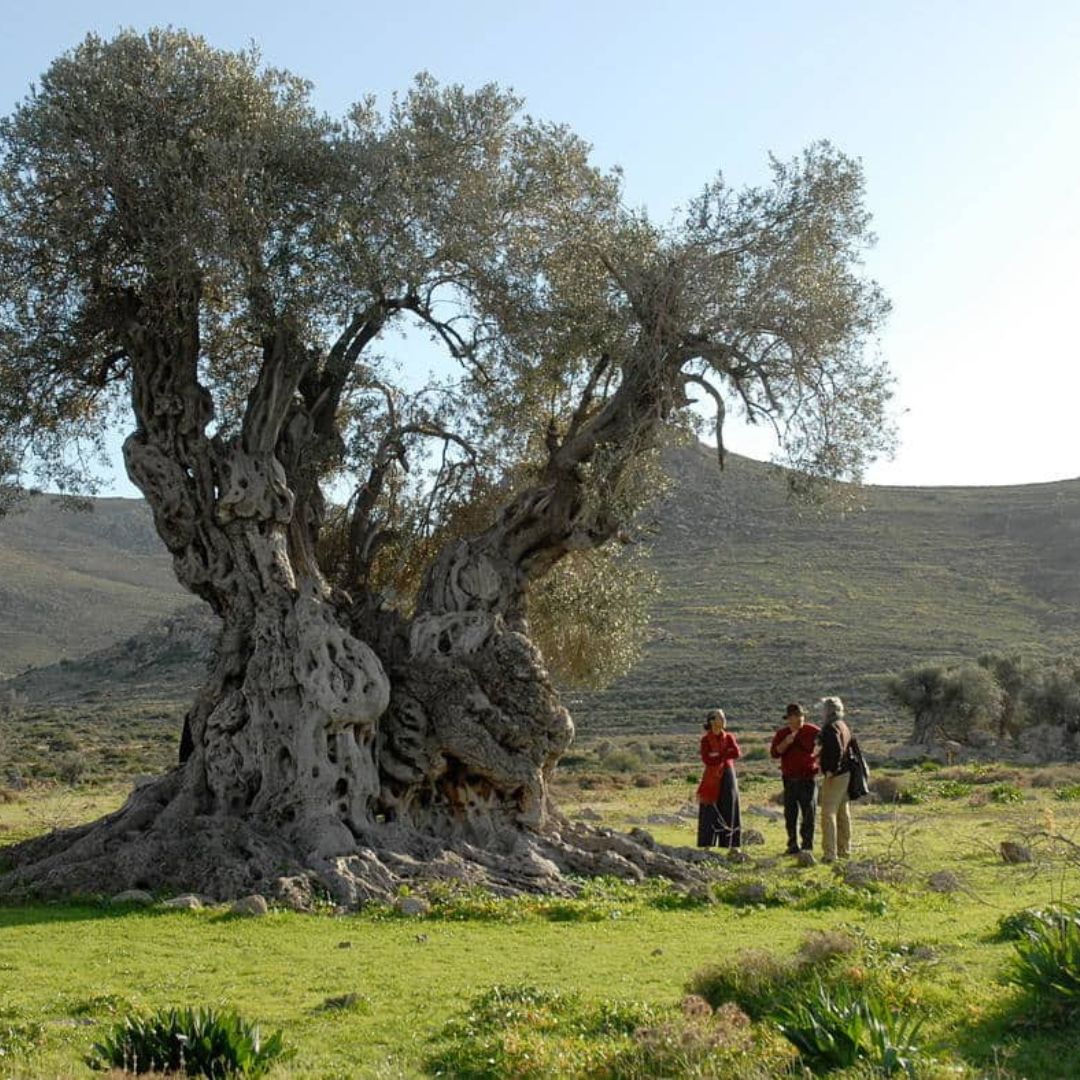
If you like to take walks in nature, then Vagia Hotel is the ideal place to start your excursions. Right next to the hotel there is a path that leads you through the picturesque landscapes of the area from the hotel to the beautiful chapel of Profitis Ilias. Following the same path, you will be able to reach the ancient temple of Aphaia. For the more experienced walkers you can walk up to the forest of the Saints or towards the hill of the Old Chora, where there are stunning panoramic views. You can also climb the highest mountain of Aegina, Oros (532 m). On the island of Aegina you can find many nice trails. A walk to Elaiones, a beautiful area with olive trees that are thousands of years old (2000-3000 years old) is highly recommended. Recently the fashion house “Hermes” used it for the photo shoot of their new collection. If you would like to walk with a guide, we can arrange it for you.
Diving and Snorkelling
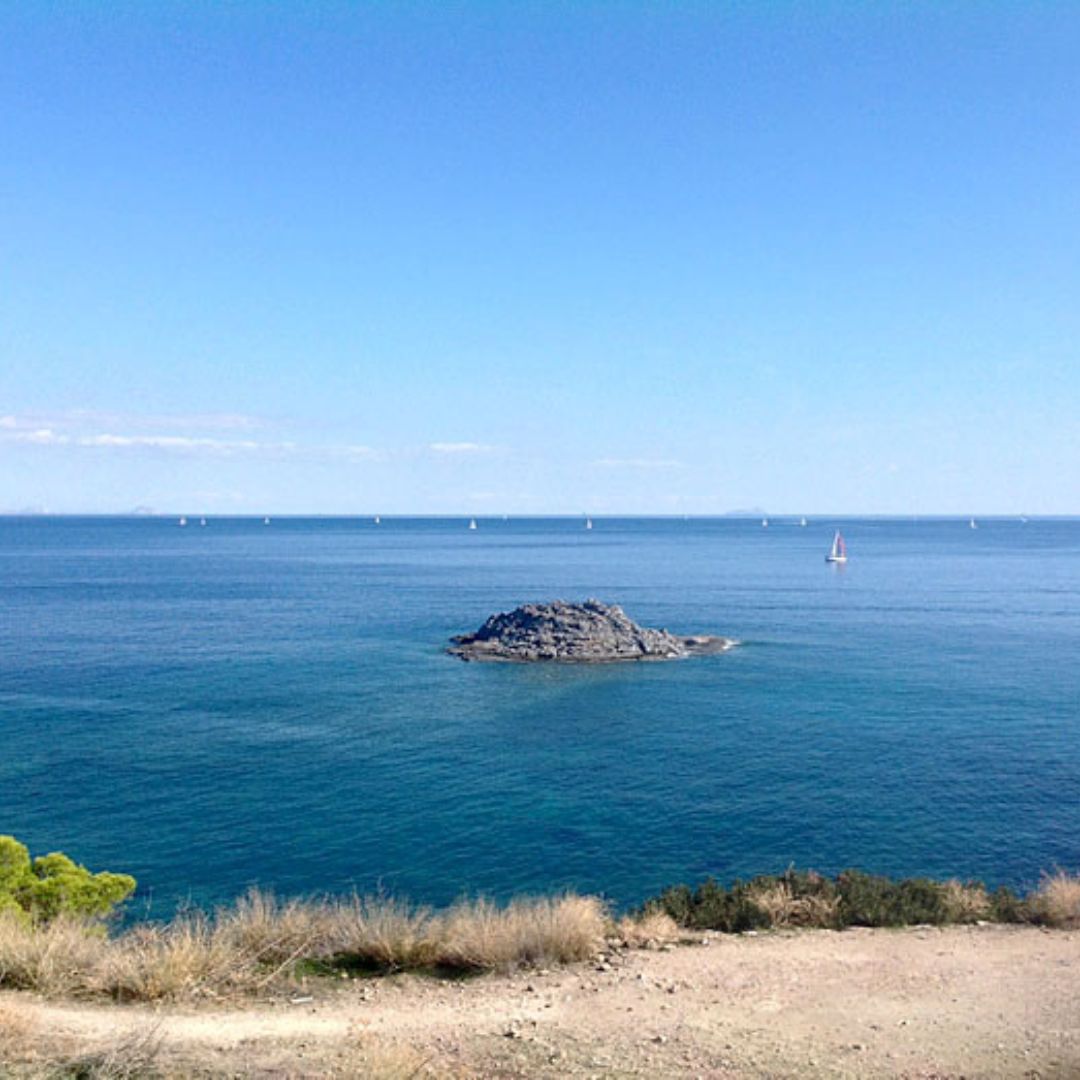
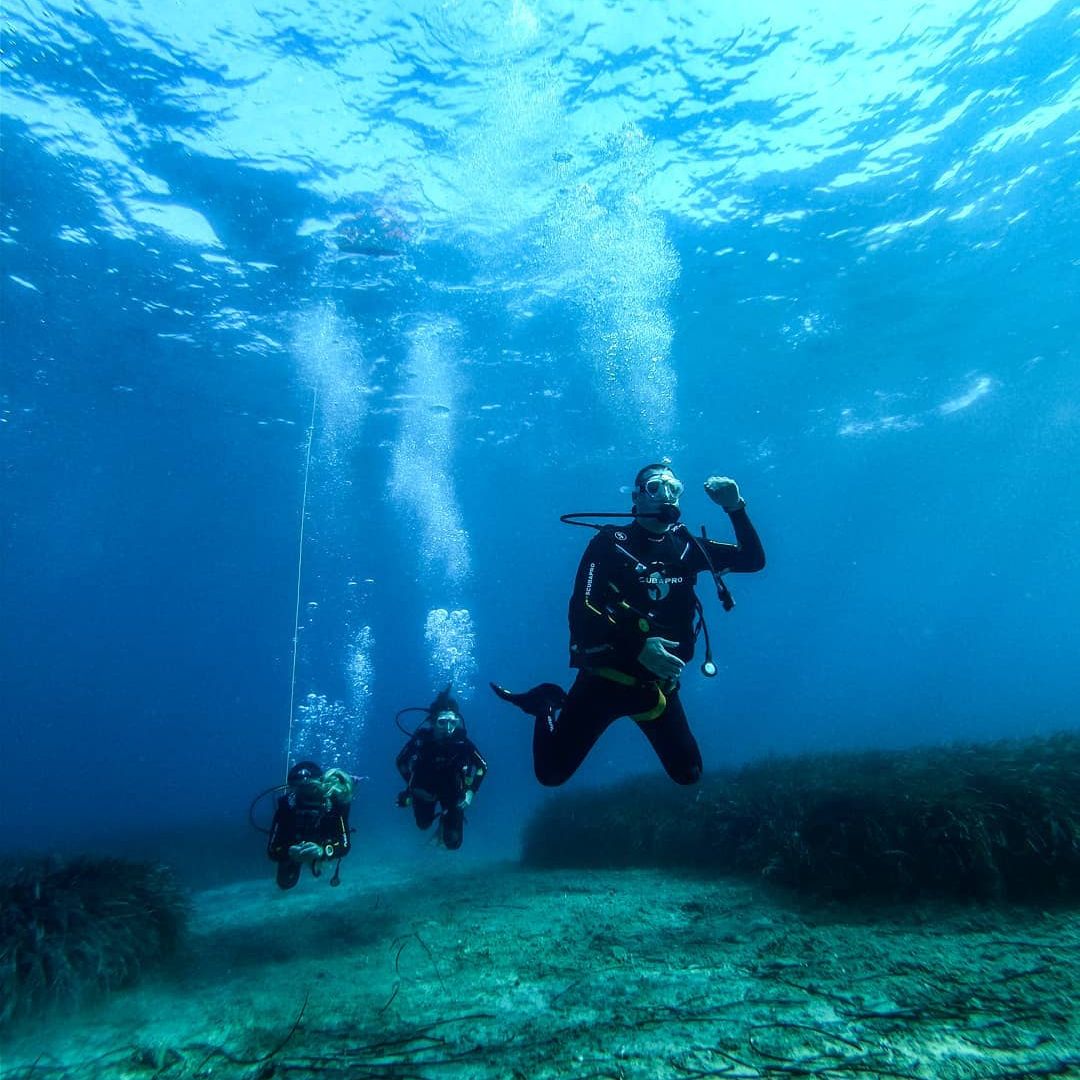
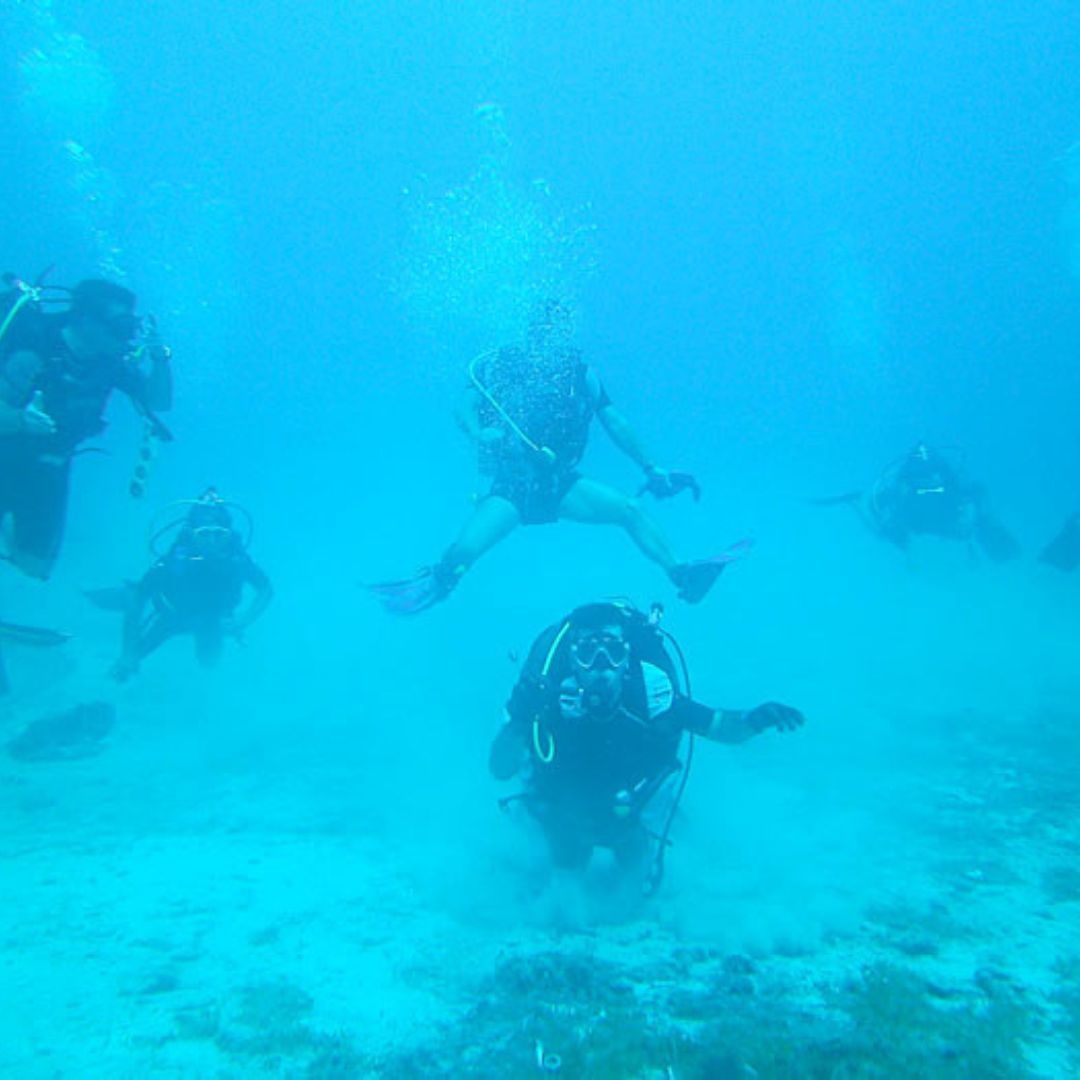
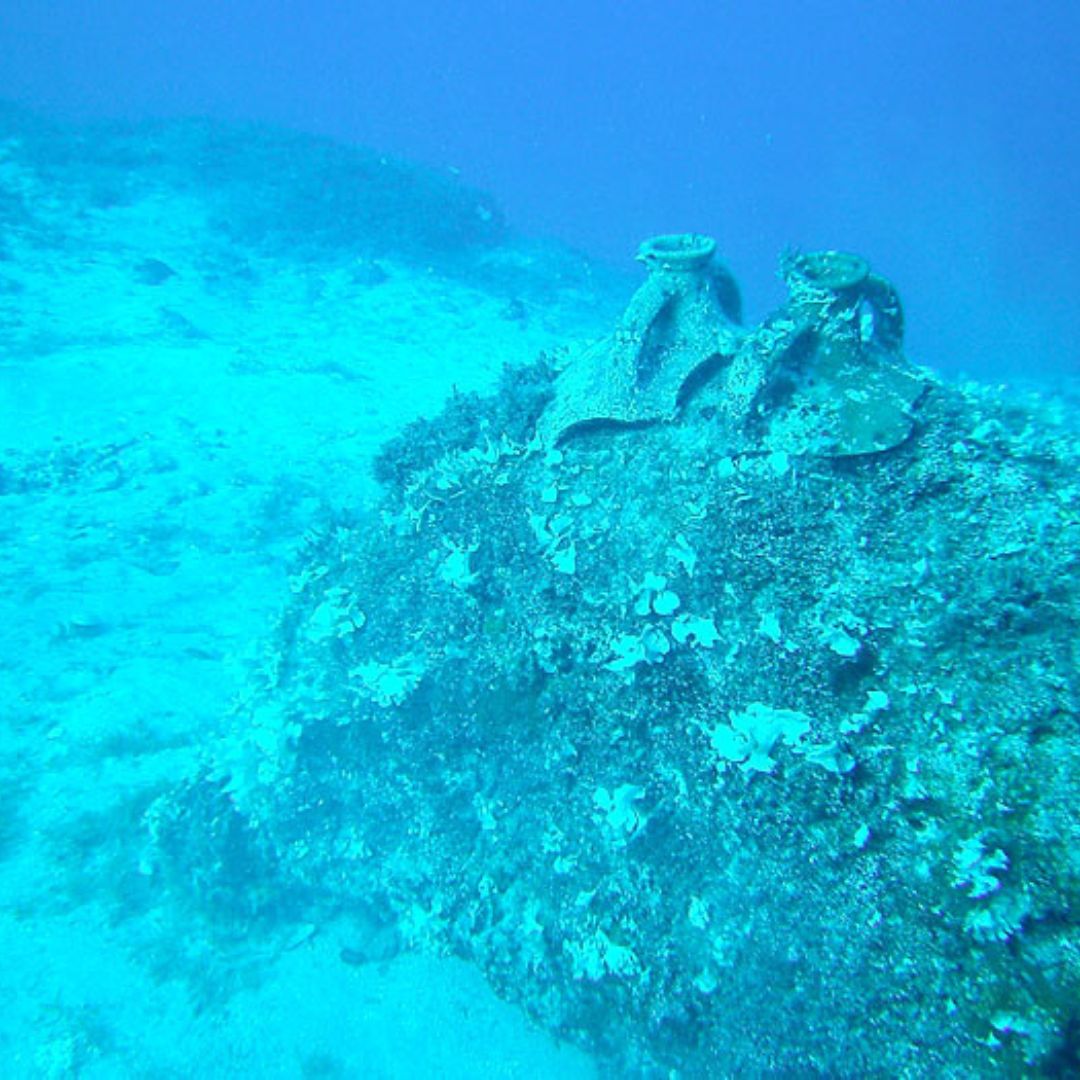
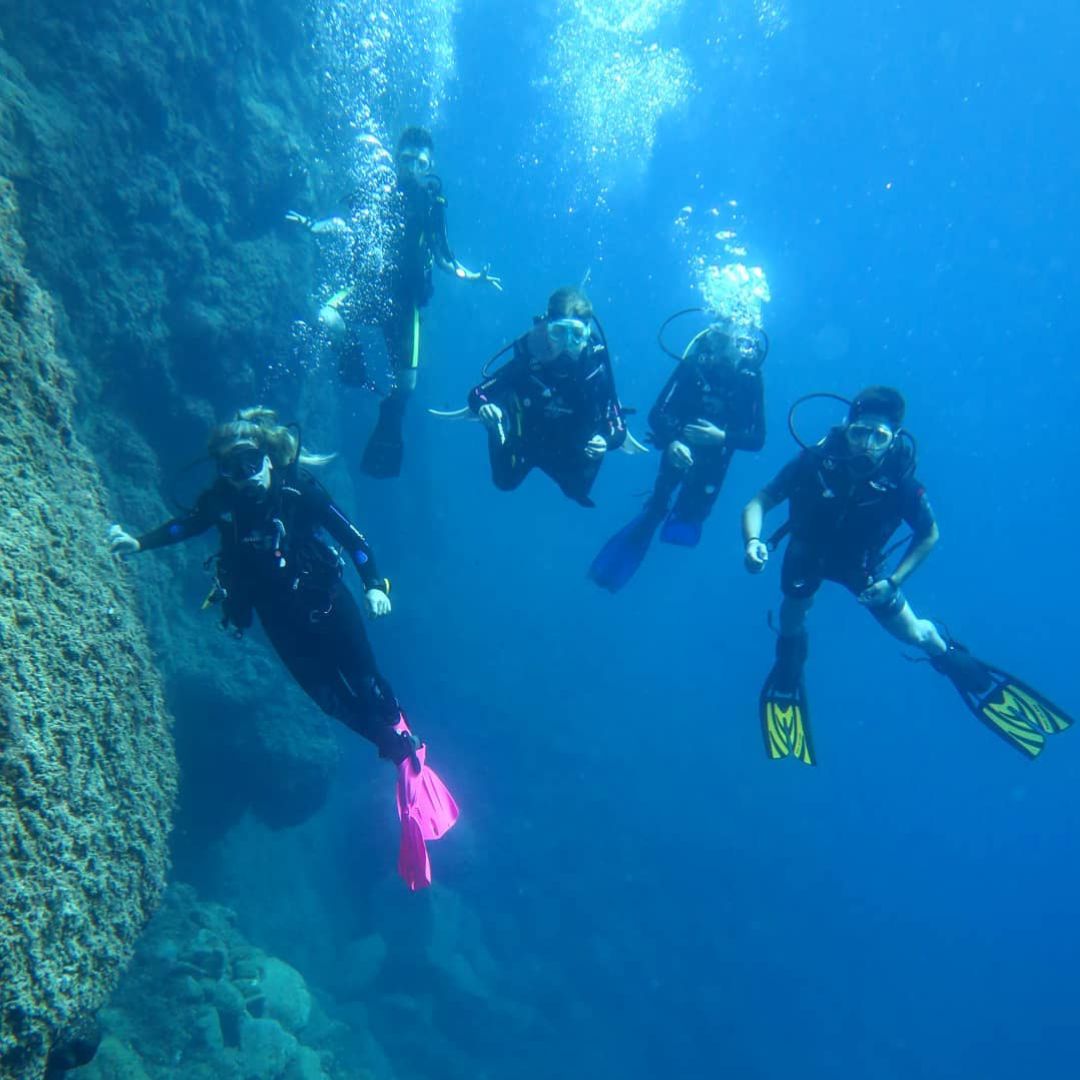
For the lovers of underwater life, Vagia Hotel can organize diving trips around Aegina, to deserted islands and shipwrecks!
Beaches
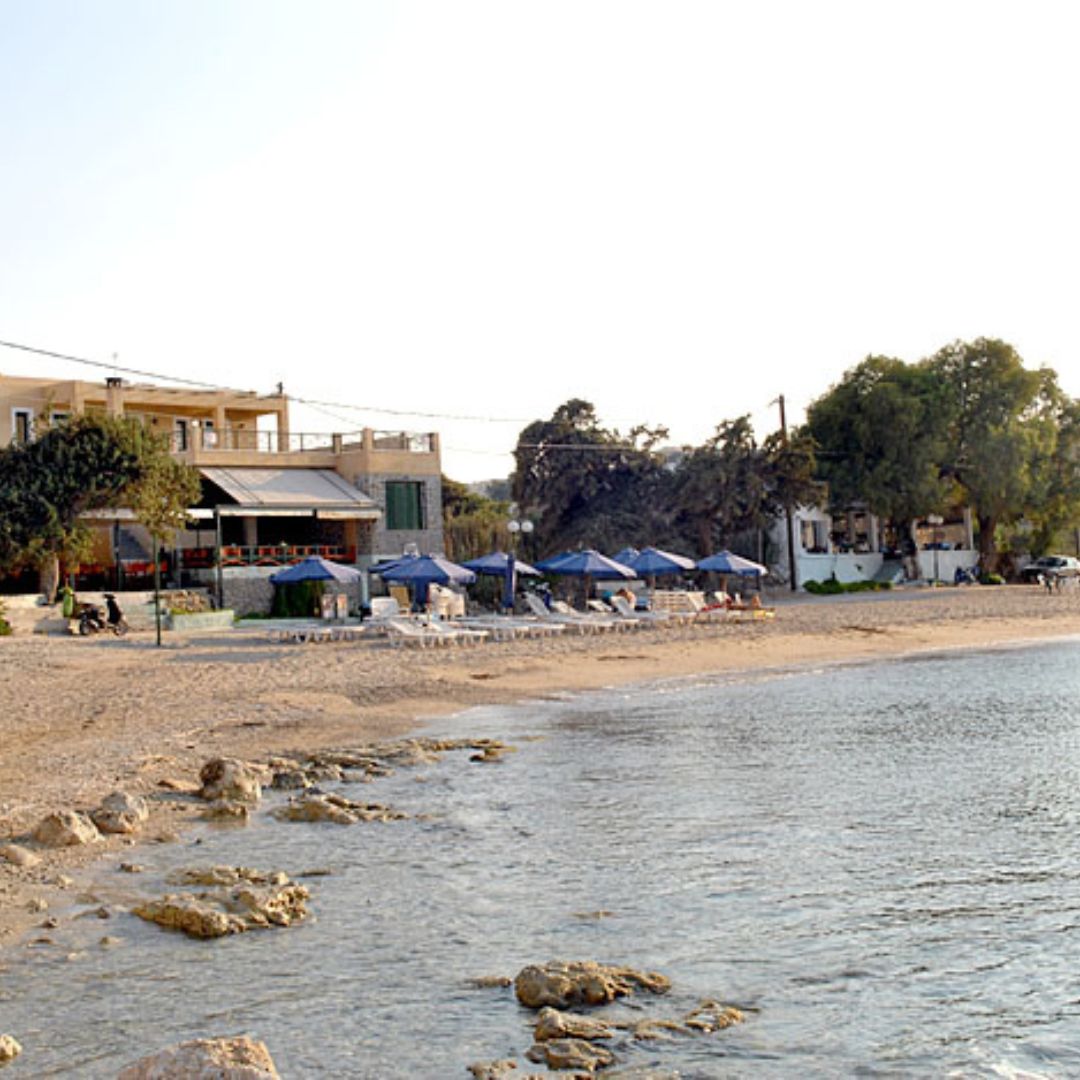
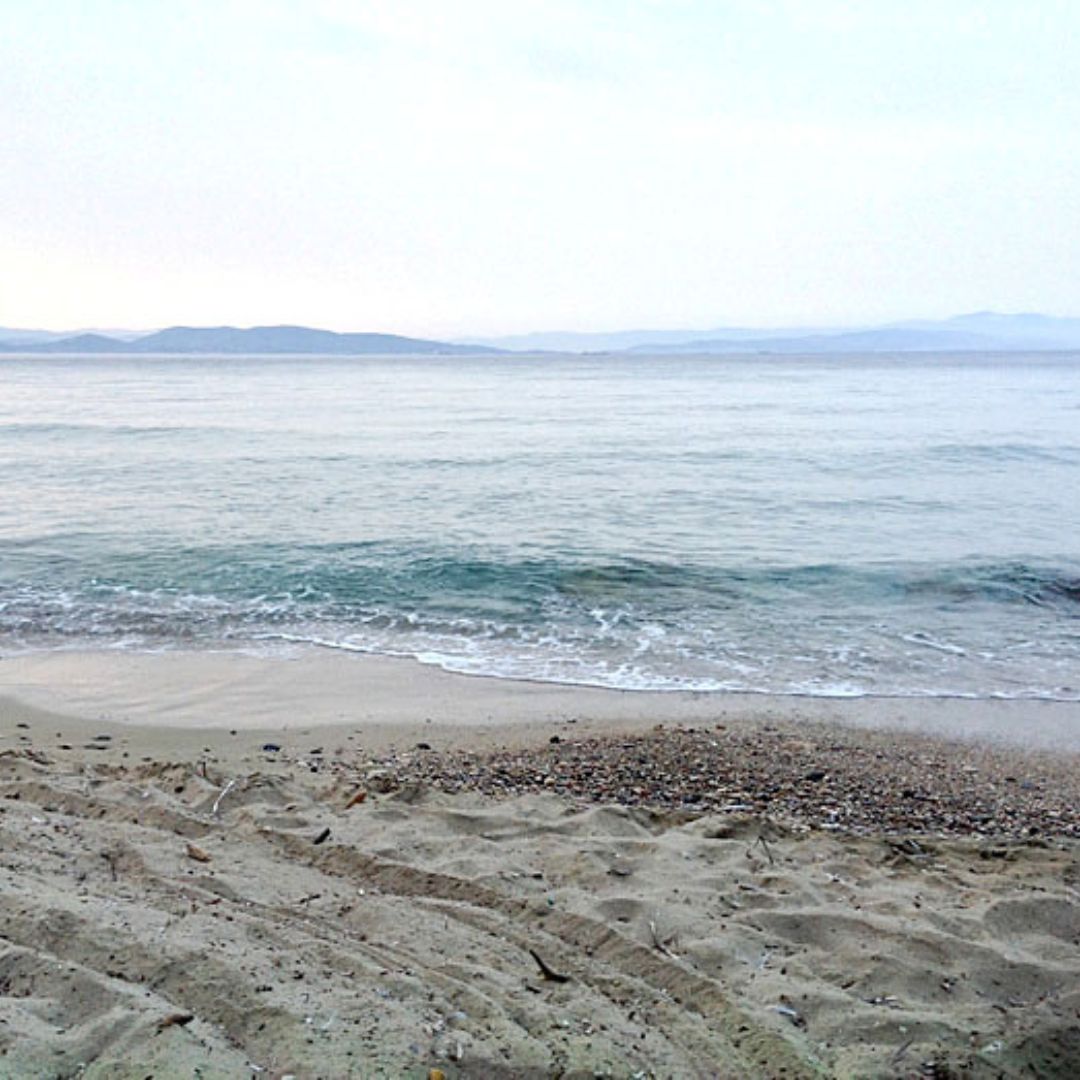
Apart from the beautifully organized beach of the village of Vagia and the stunning beach of Tourlo, which are within walking distance from the Vagia Hotel, Aegina has many beaches with crystal clear waters, as well as beautiful clean shores for those who prefer a calm and quiet dip in a remote place.
For underwater life lovers, Vagia Hotel can organise diving trips around Aegina, to deserted islands and shipwrecks!